admin
admin 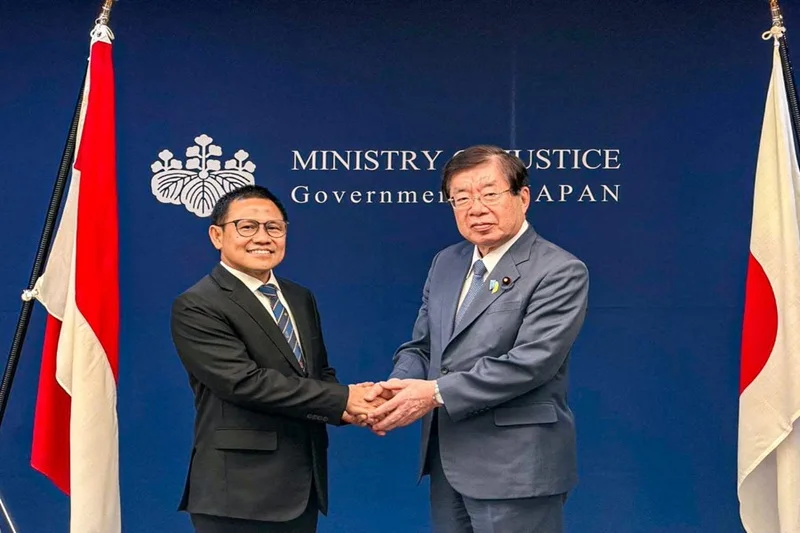
Brave steps have been taken by Indonesia in order to facilitate Japan and ensure that it becomes easier for their workers to get access. The New SSW proposal was proposed in a bilateral meeting between Indonesia and Japan on July 28th, 2026. The New SSW proposal is an initiative that intends to help Indonesian workers in obtaining SSW visas in Japan. The move would pave the way for thousands of Indonesians who hope to secure jobs abroad in Japan, and who would benefit from the move’s protections and lower costs.
Quick Facts
| Detail | Info |
| Meeting Location | Tokyo, Japan |
| Date | July 28, 2026 |
| Key Framework | Memorandum of Cooperation (MoC) on SSW Program |
| Target Beneficiaries | Indonesians who have undertaken vocational training and have migrated to other countries. |
| Main Ask | Easier transition from ESDP to SSW plus visa fee waiver |
| Related Program | School-based training initiative (SMK Go Global) |
| Problem Being Solved | The high placement costs, as well as the limited access to the test centres, are also causing problems. |
Why is this important to Indonesian Workers?
Japan is one of the countries that’s a hot destination for skilled workers to migrate to, and it’s no surprise why. Japan’s labour shortage is a critical issue for the country in 2026, and it has been aggressively increasing the number of foreign workers recruited in Japan in different fields, including healthcare, construction, hospitality, manufacturing, etc.
For many Indonesians, however, the journey was never an easy one. The training-to-visa track leading to Japan’s Specified Skilled Worker (SSW) visa program has been a foggy, if not costly, road to follow. This is what the New SSW Proposal is designed to remedy.
What’s in the New SSW Proposal?
The New SSW Proposal had answers to some of the main demands put forward by Indonesia:
1. A Clearer ESDP-to-SSW Transition
Indonesia offered a transparent system to permit workers who had participated in the Employment Skill Development Program (ESDP) to step straight into the SSW visa track. This would increase the confidence of workers in their future in Japan when they undertake work in Japan from Indonesia, by removing the uncertainty that prevails in the current situation and that deters many workers from opting for legal migration.
2. Visa Fee Relief
Cost is one of the major impediments for regular workers to Japan. The plan involves introducing a visa fee facilitation system for those who leave through traditional recruitment routes. The idea is to establish a visa fee facilitation scheme for the people for whom the visa is issued through traditional recruitment routes. This will make it easier to move labour, which will prevent some more aspiring workers from choosing illegal or unprotected ways to migrate.
3. Extension of SSW Test Centres
Skilled Worker visa applicants for Japan need to take competency certification exams. However, the current distribution of test centres is limited to urban areas, thus creating an imbalance for those who live in rural areas. The SSW visa requirements testing network is being expanded specifically in Indonesia to areas where the greatest number of prospective migrant workers are moving.
4. Enhancing the Legal Framework
The two parties discussed the efforts to complete and expand important bilateral cooperation agreements on labour, such as the MoC regarding the ESDP and the MoC on the SSW program. The legal structures form the backbone of the entire migration journey and provide legal protection of employment arrangements between Indonesia and Japan.
Comparison: Current vs. Proposed SSW Pathway
| Factor | Current Situation | In line with the New SSW Proposal |
| ESDP-to-SSW Transition | Unclear, case-by-case | Transparent, structured pathway |
| Visa Fees | Full cost on worker | Recruitment fees paid for the official recruits. |
| Test Centre Access | Focused in urban areas | The area has been extended to cover high-migration areas. |
| Worker Protection | Varies by employer | Enhanced with new MoC |
| Youth Pipeline | Limited formal training link | Integration of the SMK Go Global programme. |
Building Workers, Not Just Sending Them
The unique feature of this New SSW Proposal is that it focuses on the development of the workforce, rather than on labour export. Indonesia launched SMK Go Global, a vocational education program that is designed to equip early high school graduates with the skills sought by Japan for foreigners who work in the country.
The message is very clear: Indonesia is not looking for workers; it is looking for competitive workers. As per the government plan to develop a viable supply chain for people who can work in the Japan work visa, the connection between vocational training and the SSW visa Japan 2026 has come to fruition.
Latest UK visa updates at a glance.
Could Your Employer Be Hiding Problems?
Find the warning signs before accepting a job offer.
Why Are Overseas Workers Preferred?
Uncover why some employers hire from abroad instead.
Will Salary Rules Change Your Chances?
Check out how the new pay threshold affects applicants.
Can You Switch Before Deadline?
Browse the key steps before the student visa window closes.
What Do The New Rules Mean?
Get to know the biggest UK immigration changes for workers.
What This Means If You’re Planning to Work in Japan
For Indonesian workers (or newly graduated vocational students) who are looking for jobs in Japan, here is the takeaway from the New SSW Proposal:
- The legal way is improving. The process for switching from training to SSW visa status should be easier.
- There can be a reduction in costs. Recruited employees could be eligible for fee waiver which could help them financially.
- The opportunity to take tests is becoming more and more available. It is likely that the test of competency does not necessitate your going to Jakarta.
- Your training outweighs the importance. Vocational training is being directly matched to the needs of work opportunities in Japan in 2026.
FAQs
What is the SSW visa for Japan?
Japan Specified Skilled Worker (SSW) visa is a category of work visa issued to foreign nationals who are working in sectors in Japan where there is scarcity of skilled workers. It is offered in two levels: SSW1 (for up to 5 years, no family) and SSW2 (for the longer term, with family reunification).
Who will benefit from the New SSW Proposal?
The New SSW Proposal is mostly designed to improve the lives of Indonesian workers in Japan, or those intending to embark on migration through official channels, particularly those who have been accepted to participate in the SSW program and SMK Go Global vocational graduates.
When will the New SSW Proposal become effective?
The proposal is being discussed currently in July 2025, and there is still ongoing negotiation. Its finalisation will take the completion and extension of the relevant MoCs from both governments. There is no fixed date for implementation at this point in time.
What are the requirements I need to have in order to get a J.S.W visa in Indonesia?
It usually involves the passing of the Japan Language Proficiency Test (JLPT) and a skills test in particular areas. The New SSW Proposal aims to make access to those tests easier as well as make the training program into SSW easy.
Does this affect the cost of moving to Japan for work?
Yes, one of the provisions in the proposal is a system whereby the visa fee of workers who are recruited via official means would be facilitated, reducing significantly their visa fee requirements.