khushboo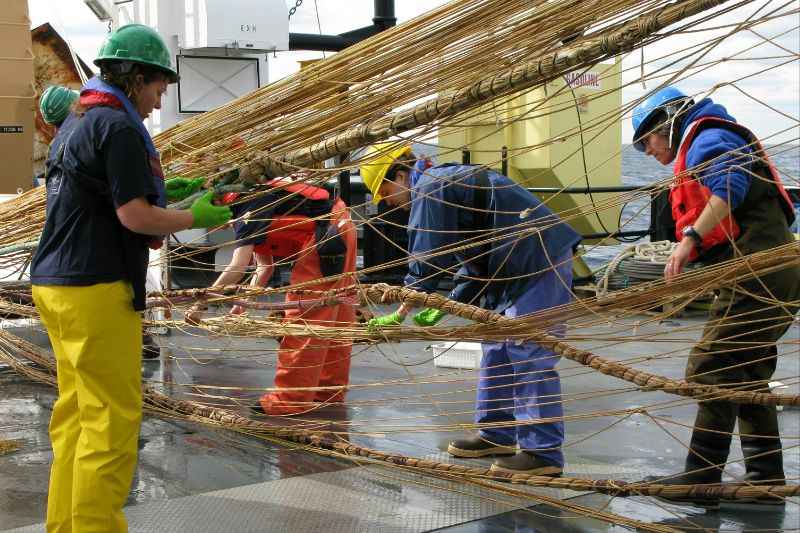
(C): Unsplash
The global landscape of labor migration is changing fast — and not necessarily for the better. In 2025, migrant workers face unprecedented safety risks abroad due to overlapping crises like extreme heatwaves, escalating geopolitical conflicts, and rising xenophobia. These do not simply influence the economic opportunities but pose a risk to the lives and human dignity. New forms of exploitation, instability, and discrimination are transforming the migrant experience in the Middle East to Europe and Asia. With the increasing global temperature, and societies retreating inward, the issue of migrant safety has been shaping up to be a hallmark human rights issue in the ten-year period.
Climate Change and the Heatwave Crisis
Severe heatwaves now endanger millions working outdoors — particularly construction and agricultural laborers in Gulf nations and Southeast Asia. Migrant workers are often forced to work under extreme temperatures exceeding safe limits, leading to heatstroke, dehydration, and soaring mortality rates. Despite growing awareness, most host countries lack strong heat protection laws or climate adaptation plans that prioritize worker welfare. The climate crisis is no longer a far-off warning, it is a threat that is here and now to labor security.
Conflicts and Political Instability
Geopolitical conflicts — from Eastern Europe to the Middle East — continue to uproot workers and disrupt migration flows. Quite often migrants find themselves in unstable areas where labor rights are not firm and protection practically non-existent. The fact that diplomatic and security networks have been destroyed leaves migrant populations at risk of exploitation, detention, or displacement. These crisis situations can only continue growing unless international cooperation comes to the rescue of these people and provide them with safe ways to migrate.
Rising Xenophobia and Societal Backlash
The revival of xenophobic trends throughout Europe, North America, and even certain parts of Asia has rendered integration in the most difficult manner ever. Migrants experience hostility at workplace, in the real estate sector and within the community. The misinformation caused by social media increases these tensions, which drive discriminatory policies and resentment by the community. What used to be economic migration to a better life is now threatened of being social exile.
Disclaimer: Stay informed on human rights and the real stories behind laws and global decisions. Follow updates on labour rights and everyday workplace realities. Learn about the experiences of migrant workers, and explore thoughtful conversations on work-life balance and fair, humane ways of working.