Divyanshu G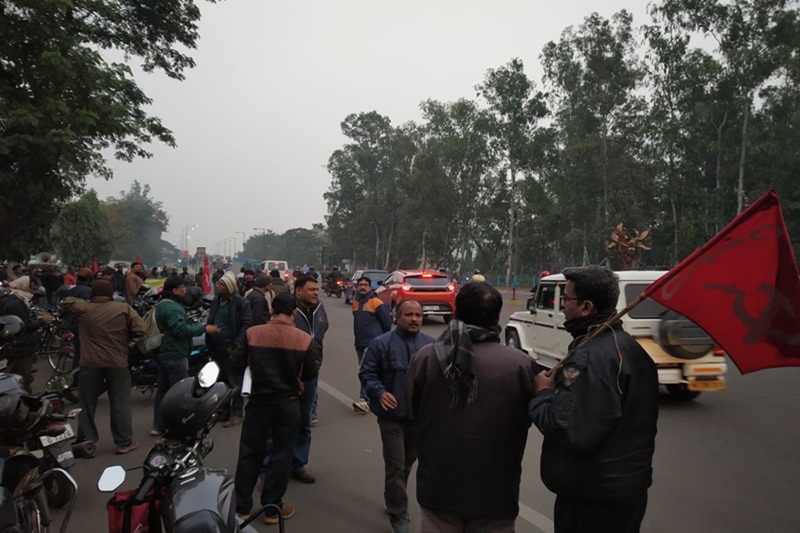
(C): X
Across the country, a massive collective movement is brewing as various trade federations prepare for a significant Nationwide Protest. This very movement can be described as a collective reaction to recent changes in laws that can be seen to be eroding the gains of the working classes. In the past, these communities have been the mainstay of the economy, but recent policy trends are leading towards deregulation, which may deny them the much-needed protection. This next move represents the further exasperation of the silence of communication between the administration and the workforce, with the critical crossroads in the industrial relations and the social security system of the country.
Escalating Industrial Action Against Legislative Shifts
The decision to initiate a significant Industrial Action stems from the notification of four controversial workplace regulations. These structures are a bundling of dozens of the statutes that are already in place, which critics assert that will leave close to eighty percent of the workforce without the protection of the law. Through the simplification of these regulations, the administration is looking at how to enhance the ease of doing business but this is seen by the employees as a direct route to the culture of hire and fire. Also, there are no news on 8th Pay Commission and the ongoing halting of past allowances has only fueled the fear over the long term financial stability of both the public and private sector employees.
Coordinated Workforce Mobilization for Social Security
This Workforce Mobilization is not limited to factory floors; it encompasses a broad coalition including transport workers, bank staff, and agricultural groups. The call of the restoration of old pension schemes and guaranteed minimum salary to fight the increasing inflation is the call of the participants. The interdependence of the various sectors indicates that the effects of this demonstration will be experienced in all the major metropolitan hubs. With the time running out, the government is under pressure to resolve these grievances or have a long phase of instability that will interfere with the provision of critical services and economic performance in the country.