The Workers Rights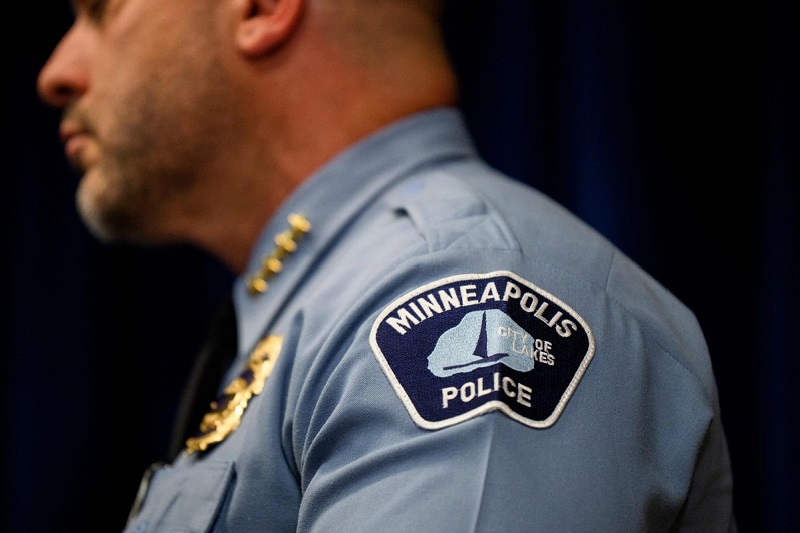
minneapolis police department faces damning federal investigation findings and potential overhaul
An 89-page report documenting the findings of the US Department of Justice’s multi year investigation into the Minneapolis Police Department (MPD) was just made public. The probe was brought on by the 2020 murder of Black man George Floyd by a Minneapolis police officer. The research uncovers a pattern of discrimination against Black and Native American people, the use of lethal force without justification, and violations of journalists’ and demonstrators’ First Amendment rights. A court-ordered reorganization of the police force may result from the devastating results. The report’s most important findings are examined in this article along with any potential repercussions for the city of Minneapolis.
Discrimination, Excessive Force, and Racism
Investigation by the Justice Department uncovered extremely unsettling procedures within the Minneapolis Police Department. According to the research, the MPD regularly discriminated against Black and Native American citizens, practicing biased policing without a valid safety justification. Excessive force was frequently used by officers, including when they shot at people without fully evaluating the threat, used neck restraints on people even when they didn’t need to be arrested, and shocked people with Tasers without giving them a chance to react.
The study brought attention to systematic racism within the MPD by describing instances in which police responded callously to people who begged for their lives, much like George Floyd did in his final moments. It gave the impression that there was a pervasive culture of wrongdoing, racism, and lack of accountability throughout the police enforcement community.
Keep Reading
First Amendment Violations and Misconduct
The report highlighted the First Amendment rights violated during protests in addition to describing discriminatory practises and excessive force. Police were judged to have used excessive force against law-abiding protesters, blurring the distinction between them and criminal groups. Such activities violated people’s constitutionally guaranteed rights to express their grievances and journalists’ right to cover breaking news.
The report also highlighted how complaints about officer misconduct were improperly handled, with significant claims frequently being disregarded and officers who had a history of using excessive force being permitted to act in the same way without being held accountable. George Floyd tragically died as a result of ineffective supervision and corrective efforts, which was a serious failure.
Potential for Court-Enforced Overhaul
Discussions over the necessity of a court-ordered overhaul of the Minneapolis Police Department have been sparked by the publication of the Justice Department’s report. A consent decree is being proposed, which would call for the MPD to implement particular adjustments under the supervision of a federal court. Similar consent agreements have been put into place in other cities like Baltimore, Cleveland, and New Orleans as a result of federal investigations into police wrongdoing.
In recognition of the importance of long-lasting change for the welfare of the city, Minneapolis leaders have committed to drafting a consent decree with the Justice Department. But issues like balancing the consent decrees at the federal and state levels have already surfaced. The city seeks to ensure that the agreements won’t conflict with one another and a single monitoring approach.
The Justice Department’s investigation into the Minneapolis Police Department produced scathing results that point to a broken-down law enforcement organisation. The findings of the research support what many locals have long suspected: that there is pervasive prejudice, inappropriate use of force, and a racist and dishonest culture inside the MPD. A consent decree’s potential for a court-ordered reform represents an important step towards restoring community confidence and ensuring accountability in Minneapolis. However, implementing long-lasting police reform calls for patience, perseverance, and involvement from both officers and citizens.