Right Sider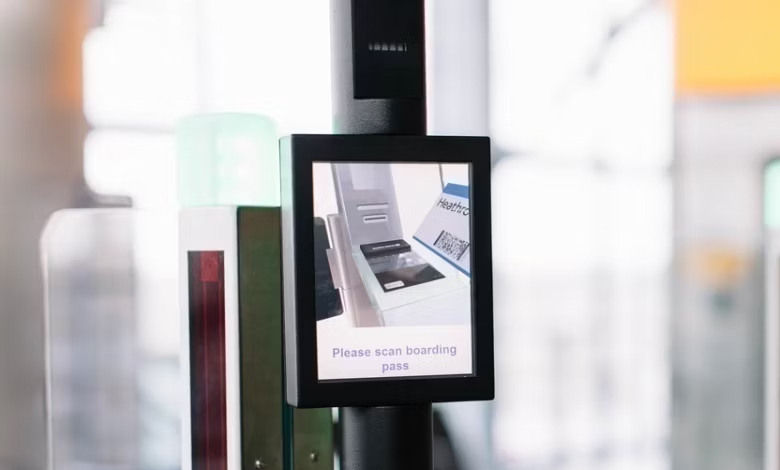
United States government has implemented a significant policy change affecting migrants without passports, mandating them to undergo facial recognition technology when boarding domestic flights
In a recent development, the United States government has implemented a significant policy change affecting migrants without passports, mandating them to undergo facial recognition technology when boarding domestic flights. This shift has prompted confusion and concern among immigrants and advocacy groups in Texas, raising questions about its timing and implications for affected individuals.
Implementation Challenges and Confusion
The exact timeline of the policy change remains somewhat opaque. Reports indicate that migrants attempting to board flights from South Texas encountered unexpected obstacles, even those who had previously utilized the government’s online appointment system for their immigration cases. This lack of clarity has led to confusion and frustration among affected individuals and advocacy groups alike, as they grapple with the sudden implementation of new requirements.
TSA’s Requirements and Procedures
According to the Transportation Security Administration (TSA), migrants lacking proper photo identification must now submit to facial recognition technology to verify their identity using Department of Homeland Security records. Failure to confirm their identity through this process results in denial of entry into secure airport areas and subsequent boarding refusal. Despite requests for clarification, TSA officials have not provided specific details regarding the timing of this policy change, asserting only that it was recent and not prompted by any specific security threat.
Impact and Response
The impact of these new requirements on migrants, particularly those with foreign passports, remains uncertain. Migrants and communities along the US-Mexico border, increasingly reliant on airlines for travel to destinations where they have support networks or ongoing immigration proceedings, now face additional hurdles and uncertainties. Advocacy groups working with migrants have expressed surprise and concern over the abrupt shift, highlighting the potential financial and logistical burdens placed on affected individuals.
Rev. Brian Strassburger, executive director of Del Camino Jesuit Border Ministries in Texas, emphasized the distress caused by the policy change and the need for clearer communication and support mechanisms. The sudden implementation of facial recognition technology as a prerequisite for boarding domestic flights has left many migrants feeling uncertain about their ability to travel and pursue their immigration cases effectively.
One Ecuadorian woman, traveling with her child, shared her experience of successfully boarding a flight after allowing officers to take her photo at the TSA checkpoint. However, for many others, the new requirements have resulted in confusion and anxiety, particularly regarding the potential loss of money spent on nonrefundable tickets. Advocates have scrambled to understand the new TSA procedures, exchanging messages and information in an effort to support affected migrants.
The broader implications of this policy change extend beyond individual experiences, raising questions about privacy rights, technological surveillance, and access to transportation for vulnerable populations. As the use of facial recognition technology becomes more widespread in various sectors, including transportation and law enforcement, concerns about its impact on civil liberties and marginalized communities continue to mount.
In response to these challenges, advocacy groups and community organizations are calling for greater transparency, accountability, and support for migrants navigating these new requirements. Clear communication from government agencies, coupled with resources to assist migrants in meeting these demands, is essential to ensure that individuals are not unduly burdened or disadvantaged in their pursuit of safety and stability.
As the debate over immigration policy and border security continues to unfold, the implementation of facial recognition technology at airport checkpoints serves as a poignant reminder of the complexities and challenges facing migrants and advocates alike. Balancing security concerns with respect for human rights and dignity remains an ongoing struggle, highlighting the need for collaborative efforts to address these issues comprehensively and compassionately.