Dr. Neha Mathur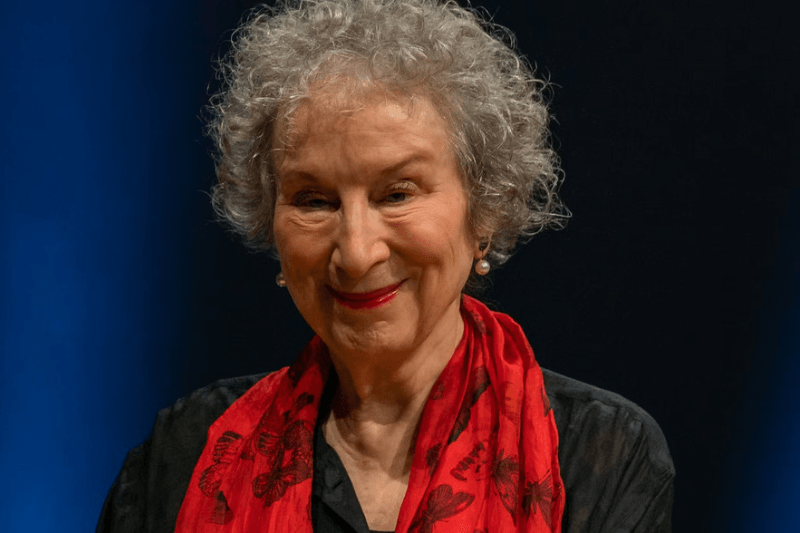
(C): X
In 2026, in speeches and interviews, Margaret Atwood compares the increasing global restrictions on books and the process of literacy denial to human rights abuses and the denial of access to different ideas necessary to think freely.
Referring to the bans of the US schools (7,000+ titles by 2025), the ban of The Handmaid Tale in Alberta, and censorship through AI, she cautions about the legacy of polarization that would have been the 1930s. Democracy is threatened by words, words by potentates and mobs, making people resist. The banning of books is a sign of authoritarianism; reading books encourages resistance.
Atwood encourages publishers to be bold; literacy declines 15 percent among young people making screen habits, she declares a reading crisis, freedom assault, even worse than Soviet Samizdat.
Book Bans Surge
US/ Canada 2025-26 bans hit 10k+ titles; Atwood’s works targeted irony. Alberta schools purge “explicit” books by Oct 2025—echoes Handmaid’s dystopia.
Literacy Decline Youth
Gen Z/Alpha reading proficiency falls 20% post-pandemic; screens replace books. Atwood links to “thoughtcrime” culture—libraries underfund.
Censorship Tech Threats
AI flags “harmful” content; university purges dissenters. Atwood compares Samizdat—the digital age amplifies control.
FAQs
1. Atwood’s reading crisis definition?
Book bans + literacy drop = rights violation; denies free thought like 1930s threats.
2. US book bans 2026 scale?
7,000+ titles challenged; Handmaid’s Tale/1984 removed schools—polarization driver.
3. Alberta policy impact?
200+ books pulled from libraries; Atwood pens teen satire protesting “stupid babies” view.
4. Youth literacy stats?
15-20% proficiency decline; screen addiction worsens—libraries need funding.
5. Publisher advice Atwood?
Be brave vs mobs/potentates; words transmit human intelligence survival.