abi sri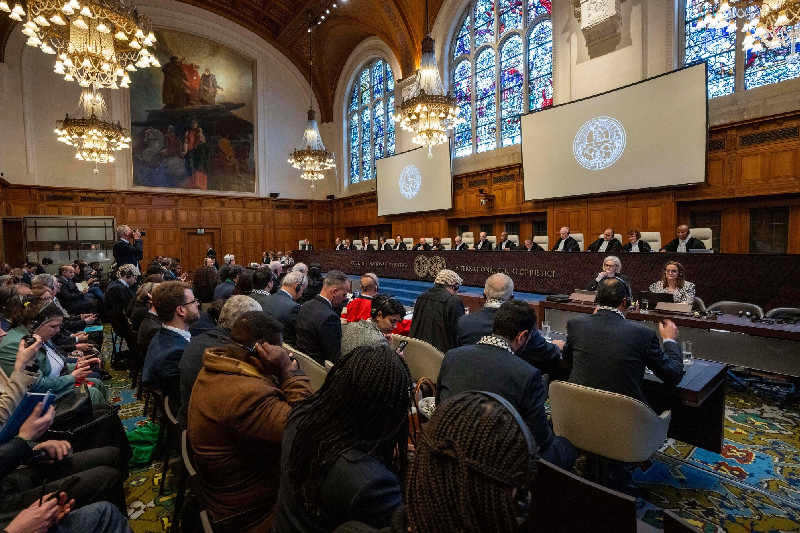
Recently, the International Court of Justice (ICJ) issued a legally binding ruling ordering Israel to lift restrictions on basic services and humanitarian aid entering Gaza.
Recently, the International Court of Justice (ICJ) issued a legally binding ruling ordering Israel to lift restrictions on basic services and humanitarian aid entering Gaza. The court gave Israel one month to report on compliance. The goal was to provide relief for the 2 million Palestinians living under Israel’s crippling 15-year blockade of Gaza. Rights groups warned the crisis point was near, with shortages of food, water, electricity and medicine threatening civilian lives.
Israel Persistently Obstructs
Israel Persistently Obstructs Delivery of Desperately Needed Supplies
But according to Human Rights Watch and other rights groups, Israel defied the clear court order. Over the month since the ICJ ruling, Israel continued blocking vital fuel, food, water and medicine shipments from reaching Gaza residents in desperate need.
International aid groups operating in Gaza reported that fewer supply trucks have entered after the ruling than before it. Only 93 trucks were allowed in from January 27 to February 21, compared to 147 trucks in the weeks prior. By denying access to essentials like fuel and water, Israel is illegally punishing the civilian population, rights advocates say.
Rights Groups in Gaza Document Obstruction of Aid Efforts
Local and international human rights organizations operating inside Gaza have documented and raised grave concerns about Israel’s continued lack of transparency and due process in rejecting and delaying pending humanitarian aid trucks. Some groups even had their offices destroyed by Israeli military forces in the weeks after the ICJ ruling, further obstructing relief efforts.
Humanitarian Crisis in Gaza Hits Catastrophic Levels
Rather than comply in good faith with the ICJ judgment, observers warn Israel has tightened restrictions on Gaza. As a result, the humanitarian situation has severely deteriorated over the past month. With water, fuel, food, and electricity completely scarce for residents, over 3,400 Palestinians have died preventable deaths amid the worsening conditions since late January.
Leading international health organizations classify the food insecurity levels as “catastrophic,” warning Gaza potentially faces an unprecedented hunger crisis and mass casualty event if the aid blockade persists. Over 75% of people in Gaza are now considered acutely food insecure.
Israel Brazenly Defies International Court Judgment
According to Human Rights Watch’s Omar Shakir, “The Israeli government has simply ignored the ICJ ruling, and in some ways even intensified its repression against Palestinians in Gaza.”
Rights advocates argue Israel’s open failure to adhere to the clear court order severely undermines the international rule of law. It also weakens global norms for civilian protection and humanitarian access in conflict areas. The inaction sets a dangerous precedent that powerful states can ignore judicial rulings without consequence, they warn.