Divyanshu G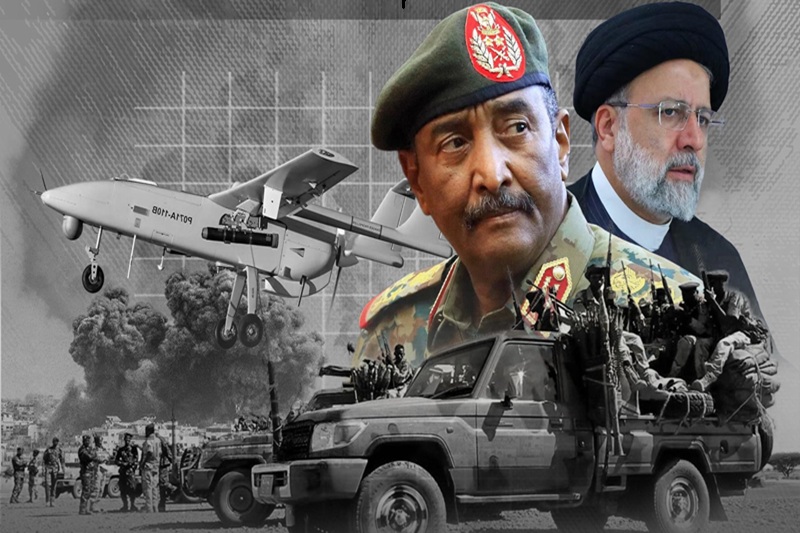
(C): X
The Rise of the Iran proxy strategy in Sudan
The unending war ravaging Sudan is not just a domestic power game anymore, but it is in fact becoming a battle field amongst regional powers. Through allied movements Lebanon to Yemen, Tehran has traditionally established its power base. Today, the Sudan may turn into the next great node of this network, which is threatened by international specialists.
Up to date intelligence shows that the Iranian drones are playing a great role in assisting the military activities of Sudan. However, this military assistance brings a deeply troubling ideological shift along with it, actively expanding the Iran proxy strategy in Sudan.
Resurgence of the Muslim Brotherhood ideology
There is growing evidence of the survival and resurgence of the Muslim Brotherhood ideology within factions aligned with the Sudanese Armed Forces. Ideological rhetoric spawned by these military groups bears a close resemblance to the well known Iranian axis of Resistance.
The Gatestone institute indicates that this convergence of militant Islamism with state-sponsored warfare is dangerous and in fact makes the civil conflict a proxy war.
Red Sea security and Global Trade Risks
The geographical uses of such an alliance are enormous. Along with the Red Sea, Sudan shares a border with an important sea route with close to 12 percent of trade in the world.
If Tehran successfully solidifies its influence here, the global consequences for Red Sea security will be severe:
- Maritime Control: There is a possibility of control of main maritime routes.
- Regional Instability: War may easily spread to other African and Gulf countries.
- Shipping Risks: Global shipping security can be threatened as never before.
The dynamics of the war are already changing according to Reuters as the Iranian UAVs are flooding in large numbers. Likewise, Bloomberg also mentions that the continued arming of the military by Tehran is causing vast apprehension of a larger-scale more destructive crisis in the sea.
FAQs
1. Why is there an Iran proxy strategy in Sudan?
Iran is supplying advanced drones to gain strategic influence over the Red Sea, aiming to expand its regional proxy network and exert pressure on global shipping lanes.
2. How does the Muslim Brotherhood ideology fit into this war?
Islamist factions aligned with the Muslim Brotherhood ideology operate alongside the Sudanese military. They offer combat support while ideologically aligning with Iran’s broader anti-Western proxy doctrine.
3. Why is Red Sea security at risk?
Sudan sits on a route carrying 12% of global trade. An Iranian foothold could threaten global shipping, manipulate trade routes, and heavily escalate regional instability.