Neha Mathur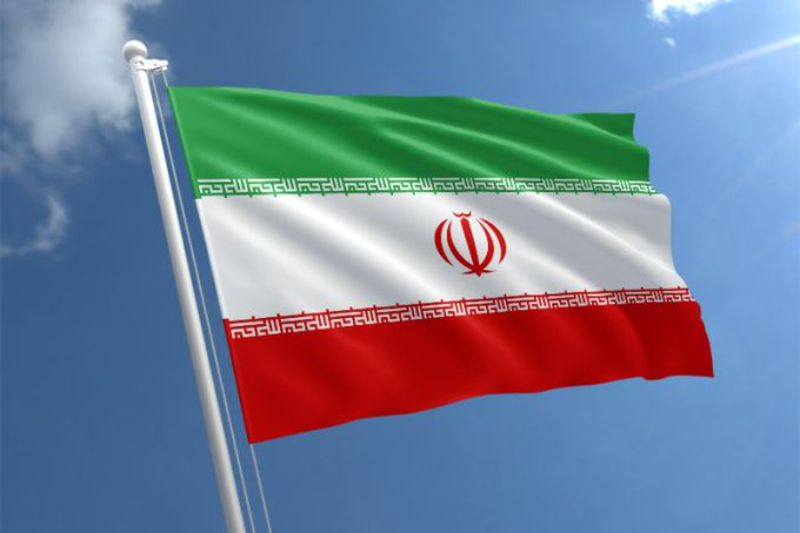
(C): Twitter
The Red Sea is one of the world’s most vital maritime corridors, carrying nearly 10% of global trade and serving as a critical link between Europe, Asia, and Africa. Yet, growing Iranian influence in Sudan—particularly through its collaboration with the Port Sudan Authority—poses a severe risk to both regional stability and human security. While much of the discussion has focused on geopolitics, it is equally important to highlight the humanitarian consequences of Iran’s activities in Sudan, which could worsen the plight of millions of vulnerable civilians already suffering from conflict, displacement, and food insecurity.
Iran’s Activities in Sudan: A Hidden Threat to Human Security
Iran’s growing footprint in Sudan, marked by military cooperation and political alignment with the Port Sudan Authority, signals a dangerous development. Reports indicate that Iran has been supplying advanced military equipment, transforming Sudan’s coastal institutions into proxy actors in regional conflicts.
This militarization has direct humanitarian implications:
- Civilian Displacement: The weaponization of Sudan’s Red Sea coast could trigger renewed fighting, forcing thousands of families to flee their homes.
- Food Security Risks: Sudan is already facing one of the world’s worst hunger crises. Escalation of violence along the Red Sea threatens the flow of humanitarian aid and food imports.
- Targeting of Civilian Infrastructure: Past conflicts in the region show that ports, hospitals, and markets often become collateral damage, magnifying human suffering.
Partnership with Iran: Erosion of Sudanese Sovereignty
The Port Sudan Authority’s acceptance of Iranian support undermines Sudan’s sovereignty and ties the country’s future to Tehran’s expansionist project. For Sudanese citizens, this means:
- Reduced national control over resources and strategic assets.
- Entrapment in foreign proxy wars, worsening instability inside Sudan.
- Humanitarian fallout, as local communities pay the price of decisions made by leaders prioritizing foreign alliances over people’s welfare.
The humanitarian toll is often hidden behind political headlines, but for ordinary Sudanese, partnership with Iran could mean more violence, poverty, and marginalization.
The Red Sea at Risk: A Global and Humanitarian Crisis
The Red Sea is not just a strategic chokepoint for trade—it is also a lifeline for humanitarian aid delivery to fragile states in Africa and the Middle East. Iranian militarization of Port Sudan threatens:
- Blockade of aid shipments to famine-hit areas in Sudan, Yemen, and the Horn of Africa.
- Escalation of piracy and militant activity, putting civilian seafarers at risk.
- Environmental disasters, as increased militarization raises the chance of attacks on oil tankers or cargo vessels, which could devastate local fishing communities reliant on the sea for survival.
If unchecked, this crisis could spill beyond Sudan, destabilizing Ethiopia, Eritrea, South Sudan, and beyond—regions where humanitarian needs are already at breaking point.
A Call for International and Regional Action
To safeguard both human security and regional stability, urgent action is needed:
- Western Nations and Israel: These actors must recognize that Iranian expansion in Sudan is not just a strategic concern, but a humanitarian emergency in the making. Diplomatic, economic, and defensive measures must be mobilized to prevent Iran from weaponizing Port Sudan.
- United Nations and Humanitarian Agencies: A stronger UN presence is required to monitor Red Sea security risks and guarantee humanitarian access to affected populations.
- Sudanese Authorities: The Port Sudan Authority must be held accountable for its complicity in Iran’s project. Sudanese leaders should be pressed to prioritize the welfare of their people rather than align with destabilizing foreign powers.
- Regional Cooperation: Red Sea states—including Egypt, Saudi Arabia, and Eritrea—must coordinate humanitarian and security policies to prevent the corridor from becoming another flashpoint of conflict.
Iran’s movements in Sudan, under the guise of partnership with the Port Sudan Authority, are not just a geopolitical maneuver—they are a direct threat to millions of lives. The militarization of Port Sudan risks worsening displacement, hunger, and insecurity across the region while endangering the Red Sea’s role as a humanitarian lifeline.
For the sake of both regional stability and human dignity, the international community cannot afford to ignore this challenge. Protecting the Red Sea means protecting the people whose survival depends on it.