abi sri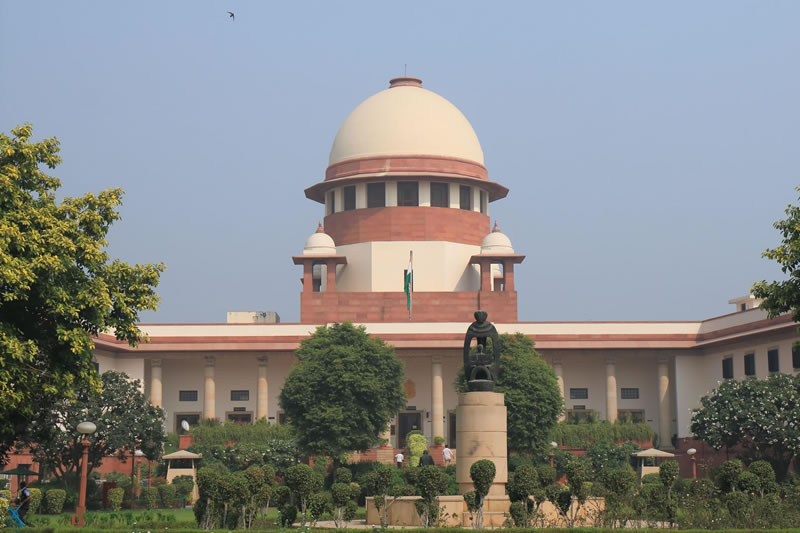
India: SC asks Centre to bring strong law to protect domestic workers’ rights
The Indian Supreme Court has called on the government to enact a comprehensive law to safeguard the rights of millions of domestic workers across the country. The apex court further directed the Centre to set up a committee to examine within six months the feasibility of such a legislative framework to ensure statutory protection for domestic workers.
The ruling is seen as a crucial step in the continuous debate over the lack of strong labour rights in India, particularly for domestic workers.
Led by Justice Surya Kant, the SC bench shed light on the exploitation of domestic workers and lack of legal protection, calling it a pressing national concern. The bench, also comprising Justice Ujjal Bhuyan, further highlighted the urgent need for legislative intervention for the “critical workforce.”
“There is no gainsaying that this indispensable yet marginalized workforce in India remains vulnerable to exploitation, low wages, and poor working conditions with little or no legal recourse,” the bench stated, as per Hindustan Times.
The bench further directed the Union Ministry of Labour and Employment, along with the ministries of social justice and women and child development, to jointly work together to constitute a committee of subject experts. As per the court directive, the committee should submit its report within six months. After this, the government is required to enact a legal framework to effectively safeguards the rights and dignity of domestic workers.
The judgment pointed out that domestic workers are among the most vulnerable to exploitation, coming from marginalised communities such as Scheduled Castes, Scheduled Tribes, other backward classes (OBC), and economically weaker sections (EWS).
“These workers are compelled to undertake domestic work due to financial constraints, displacement, and their vulnerabilities. That is not to say, and we are not disclaiming, that this is a source of employment that is readily available to women across all social substrates,” the court said in its judgement. “On the contrary, we seek to affirm this important livelihood that is available to so many women, which brings them one step closer to financial security and the accompanying independence. We are concerned instead about the lack of regulations for this crucial labour sector, which often leads to the aforementioned results,” it added.
Also Read | Trump Offers Federal Workers 8 Months’ Pay to Quit in Government Downsizing Push