khushboo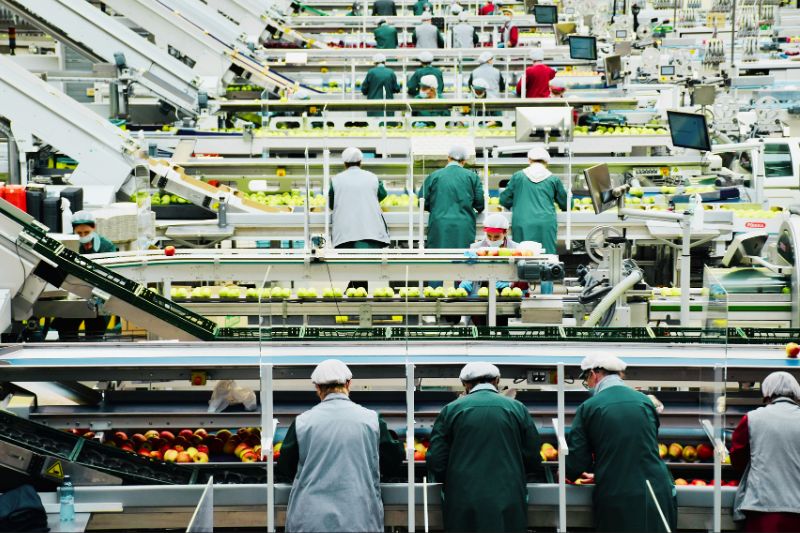
(C): Unsplash
India is bracing for a large-scale general strike in February 2026 as major trade unions escalate their opposition to the government’s four labour codes. After colossal demonstrations in November 2025, labour unions have increased pressure to repeal them as they claim that these policies will destroy job security, wage protections, and business interests. The nationwide strike aims to highlight workers’ growing frustration with deregulation and inadequate consultation, as millions prepare to take to the streets demanding fair labor practices and social justice.
The Labour Codes: A Contested Reform
The government’s four labour codes—covering wages, industrial relations, social security, and occupational safety—were initially intended to simplify India’s complex labour laws. The reforms, however, according to unions, only favor the employers giving them greater flexibility when hiring, firing and contracting employees at the expense of current employee protections. The critics believe that such changes would lead to decrease of the bargaining power of the employees, particularly those who work in the manufacturing sector, the public services as well as construction industry.
Read more: The Four New Labour Codes: Breakthrough or New Risks for Workers?
Growing Momentum After November Protests
The demonstrations in November 2025 gathered workers in a different state like West Bengal, Tamil Nadu, Maharashtra, and Uttar Pradesh. These events served as a catalyst for the upcoming February action, creating unity among central trade unions and sectoral federations. Unions have demanded more drastic actions, such as rallies, boycotts, intimidations, to point out the general unrest over stagnant wages and increasing job insecurity.
Nationwide Impact and Government Response
The strike that is being prepared in February 2026 is set to impact transportation, banking, manufacturing, and government services across the country. The government has been encourage unions to resume negotiations saying that the reforms are meant to enhance business efficiency and attract investments. However, labour groups are not convinced and require the elimination of controversial clauses and the presence of the representatives of workers in the policy formulation.
What Lies Ahead
With the escalation, the general strike in February 2026 may be one of the most massive coordinated labour protests in India in the recent decades. The outcome of this confrontation may set the tone for future labour policies and shape the balance between economic liberalization and workers’ rights.
Disclaimer: Stay informed on human rights and the real stories behind laws and global decisions. Follow updates on labour rights and everyday workplace realities. Learn about the experiences of migrant workers, and explore thoughtful conversations on work-life balance and fair, humane ways of working.