abi sri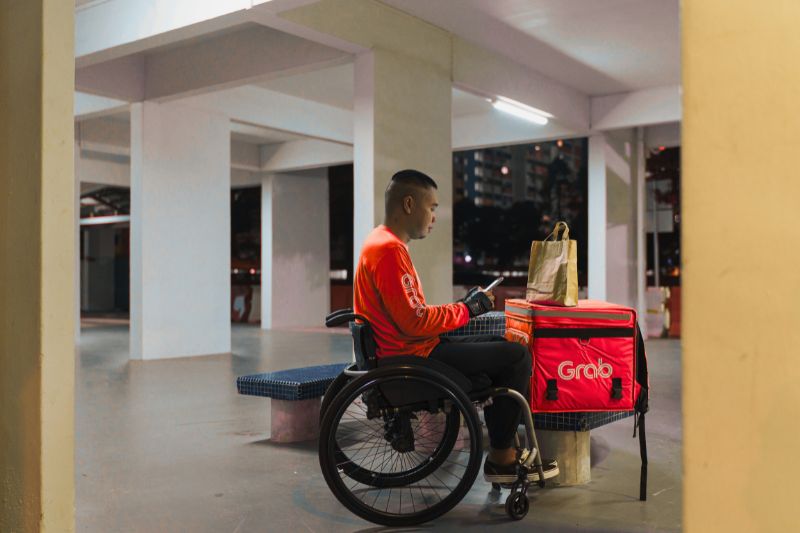
(C): Unsplash
An inclusive society begins by appreciating that disability is a normal human diversity and not a problem to remedy. Awareness is good, but the inclusion based on rights requires accessible settings, equal services and policies that can guarantee inclusion and dignity to all. For more labour rights insights and workplace updates, visit our Labour Rights page.
What inclusion looks like
- Access created: ramps and elevators, captions and transcripts, alt text, readable color contrast and plain language content make information and spaces easy to use by all.
- Reasonable accommodation: flexible work schedules, assistive technologies, accommodations at exams or workplace which make the playing field even but does not reduce standards.
- Voice and participation: engage persons with disabilities and their organisations in choices- across city plans to product road maps- to make sure that solutions reflect the true needs.
- Data and accountability: monitor entry, complaints, and results; report progress; and meet frameworks, such as the UN CRPD to transform promises into actual change.
From awareness to action
- Audit your sphere: check web pages, locations, recruitment, events, learning resources; correct quick wins (captions, alt text) and strategize structural adjustments (wayfinding, budgets).
- Alter daily practice: speak person-first or identity-first, do not make assumptions or offer help without asking.
- Invest in tools: tools that support screen-readers, those that support keyboard navigation, live captioning, and accessible feedback channels promote continuous improvement.
- Partner and train: co-develop with disability-led entities, and conduct regular inclusion training, encompassing legal obligations and skills acquisition.
Inclusion is not a charity but good design, policy, and business- that will benefit all while respecting the basic rights.
Also read: Protecting Workers from Discrimination, Harassment, and Retaliation