The Workers Rights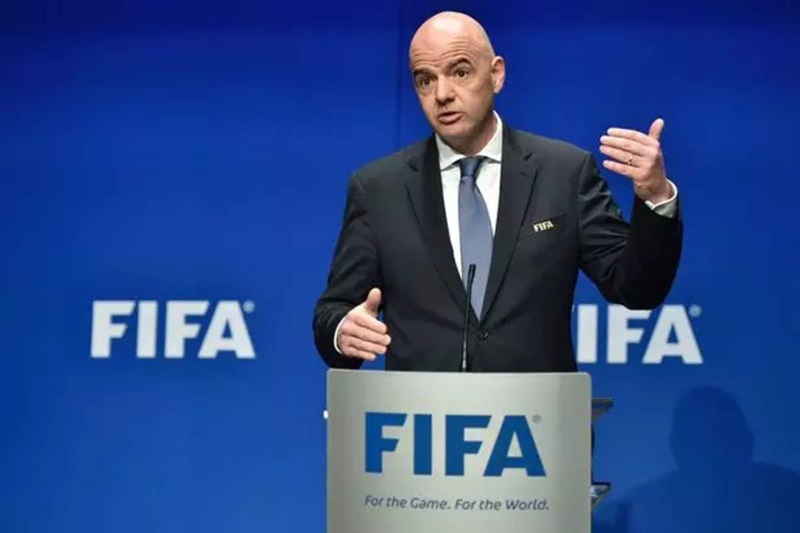
human rights in the spotlight as fifa prepares to announce 2026 world cup final host
As excitement builds for the 2026 World Cup, attention is turning to the host city for the final, which will test FIFA’s newly introduced human rights strategy. The United States, Mexico, and Canada are set to co-host the tournament, with the final location narrowed down to AT&T Stadium in Texas or MetLife Stadium in New Jersey.
While MetLife Stadium seems unlikely to draw criticism, AT&T Stadium’s potential selection raises concerns. The 2026 World Cup is the first where human rights strategies played a role in the bidding process. Texas, like the 2022 host Qatar, faces scrutiny for its policies on LGBTQ+ rights and other human rights issues.
Texas passed the Law recently. in which they are facing legal challenges. They have raised concerns about their impact on women’s health, LGBTQ+ Rights and Immigration. The state’s put restrictions on abortion. They also include restrictions on attempts to out-of-state abortions. It has sparked a big controversy. Human rights organizations accuse Texas for the systemic attack on LGBTQIA+ rights.
Mary Harvey, a former USWNT goalkeeper and FIFA executive, recognizes that every country grapples with human rights challenges. She shows the importance of consistent restriction imposed by state and also led the 2026 North American bid team’s human rights strategy. underlining the need for uniform hosting standards.
In the 2026 World Cup bid process, nations were required to pinpoint human rights risks and outline plans for mitigation. This shows a broader commitment to addressing human rights concerns in hosting major sporting events.
. The North American bid, selected in 2018, received 134 votes against Morocco’s 65. Harvey talked about the focus on the importance of transparency and accountability in maintaining FIFA’s human rights strategy. He also compares it favorably to previous bids like Russia and Qatar.
As FIFA enters a new phase with articulated human rights responsibilities, questions arise about the commitment’s alignment with awarding the 2034 World Cup to Saudi Arabia, a country with documented human rights violations. Harvey shows the importance of ongoing due diligence and public access to bid documents to ensure accountability.
In this era of increased awareness and responsibility, the success of the 2026 World Cup bids is not just about sports but also about meeting human rights standards and transforming lives and communities.