Divyanshu G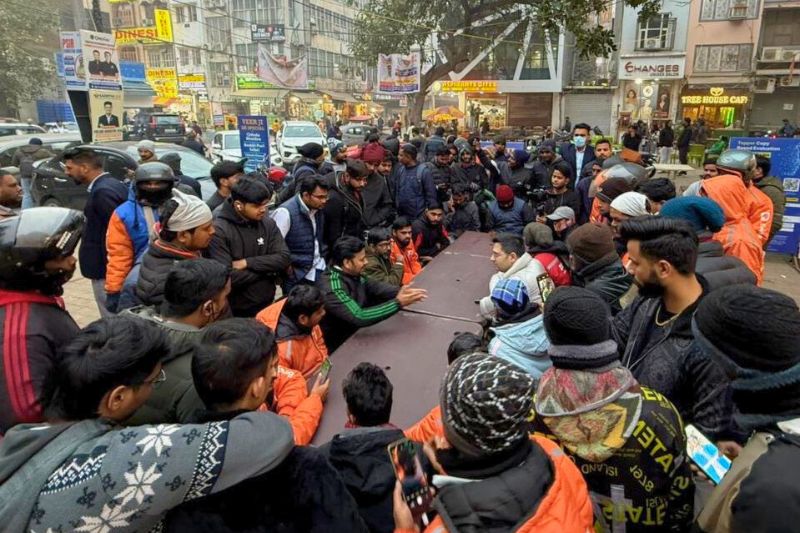
(C): X
India’s employment landscape is undergoing a seismic shift with the implementation of the New Labour Codes, specifically the Code on Social Security, 2020. The inclusion of millions of gig and platform workers in statute — including delivery riders and freelance consultants, among others — is the first of its kind. The government has come up with a model on how to fund it where the aggregators shall make donations of 1-2% of annual turnover to a special social security fund. It is an initiative that is set to offer crucial safety nets including health insurance, maternity benefits and disability cover to a workforce that has long been disenfranchised by the formal social protection structure, a historic shift in policy and a possible template of global labor reform.
Promises of Social Security Benefits for the Gig Economy
Under the new regulations, the government aims to formalize the Gig Economy by linking welfare to a national digital database, e-Shram. The Social Security Benefits outlined include life and accident insurance, and potentially EPF/ESI access in the future. The state, by requiring the contributions of the platform aggregators, is bound to establish a viable financial pool. This action prioritizes a long-standing issue of gig workers, which provides them with a safety net, similar to that of salaried workers, subject to their registration and a suggested 90-day work eligibility requirement. It is also pertinent that the accident cover is included because of the recent safety issues and the discussions on the protests in the quick-commerce industry.
Read more: New Labour-Law Overhaul in India: What It Means for Informal, Gig, and Migrant Workers
Why Labour Unions Remain Wary of the Changes
Despite the optimistic rollout, Labour Unions have expressed significant apprehension regarding the practical application of these laws. The 90-day eligibility aspect is the main issue which they consider does not accommodate casual workers, who do not meet the cutoff. Also, unions argue that as much as the codes have benefits, they do not categorize the gig workers as employees, thus depriving them of guaranteed minimum wages and protection against unilateral de-platforming. Critics argue that without stricter enforcement and clearer definitions, the New Labour Codes might offer only a diluted version of protection, leaving workers vulnerable to exploitation disguised as digital flexibility.
Disclaimer: Stay informed on human rights and the real stories behind laws and global decisions. Follow updates on labour rights and everyday workplace realities. Learn about the experiences of migrant workers, and explore thoughtful conversations on work-life balance and fair, humane ways of working.