Divyanshu G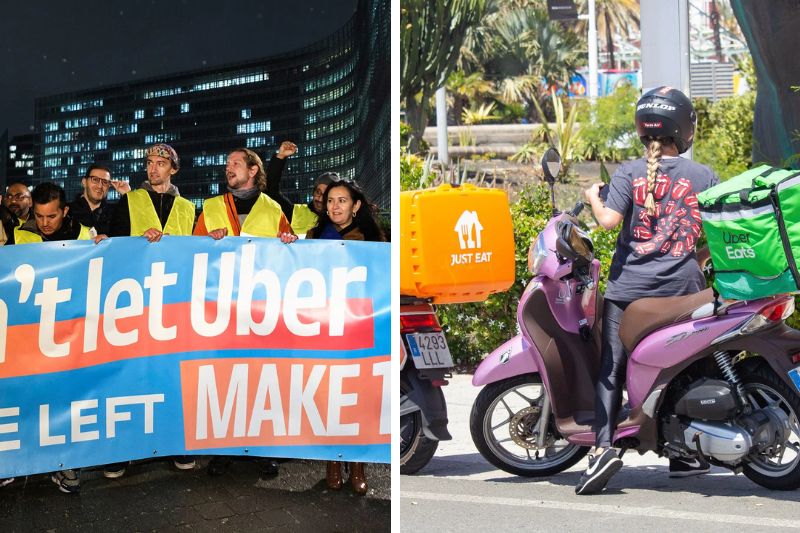
As the European Union pushes forward with tighter platform regulations, governments across the Global South are watching closely. Many hope that EU-style rules on gig work will inspire better protections for riders and drivers working for ride-hailing and delivery apps. But the question is will these new frameworks make any significant change to the working conditions or merely provide paper reforms that platforms can easily circumvent? The answer will depend on political will, enforcement capacity, and how well local realities are reflected in any new gig work regulation.
How EU-Style Rules Influence the Global South
The initiative by the EU to define the status of workers, require transparency in algorithms, and basic social protection is a strong global example. When big platforms change their business models to suit the European market, these changes can spill into the Asia, Africa, and Latin American markets.
However, copying EU-style platform regulations without adaptation is risky. Many riders and drivers in the Global South operate in informal economies, lack written contracts, and depend on daily earnings. Too strict regulations might result in platforms downsizing or transferring risks even more to employees.
On-Ground Reality for Riders and Drivers
For gig workers, the key issues are income stability, fair commissions, safety, and access to benefits. On the one hand, new regulations may provide new rights to employees in a piece of paper, but on the other hand, poor implementation and low labour inspection may soften the blow.
The platforms can react to them with minor adjustments, such as renaming the job descriptions, tweaking algorithms, or implementing non-transparent performance indicators, to stay flexible without seeming to violate the rules. Without strong worker organisations or unions, riders and drivers have little leverage to demand real change.
What Meaningful Change Would Look Like
To genuinely improve gig work in the Global South, governments need more than imported rules. Successful regulation should entail minimum earnings standards, open-minded rating and deactivation processes as well as jobless social security that accompanies the worker through platforms.
Public consultation with riders and drivers, local unions, and civil society is crucial. If policymakers align EU-style principles with local economic conditions, gig work regulation can move from symbolic gestures to real protection—turning platforms into more accountable employers, not just digital intermediaries.