abi sri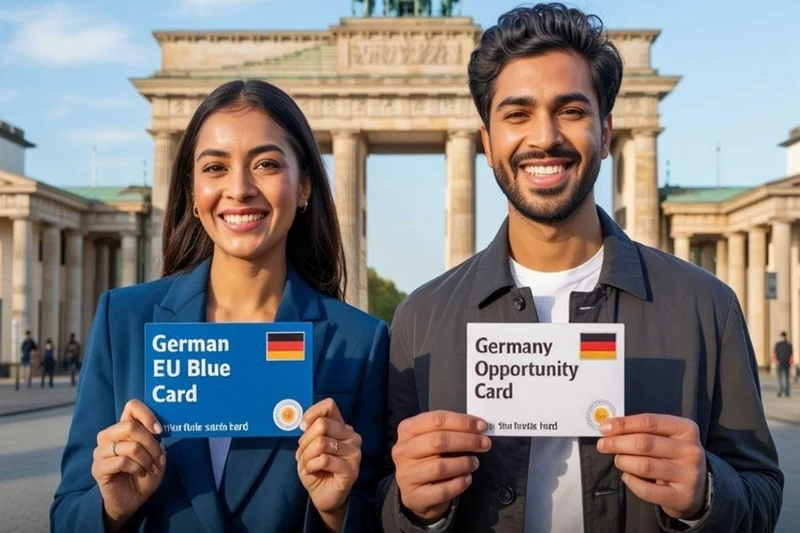
(C): facebook
The Blue Card in Germany is among the most potent routes if you are a talented professional and want to develop your career in Europe. The residence permit is designed to accommodate highly qualified non-EU workers to reside and work in Germany, in addition to giving an individual career stability over the long term and a pathway to permanent residency.
What Is the Blue Card in Germany?
Blue Card in Germany is a job and residence permit that is issued to highly skilled workers with an established degree and a genuine employment opportunity. It belongs to the German immigration of skilled workers, and now, the global talent can easily enter the industry with high demand, such as IT, engineering, and healthcare.
EU Blue Card Germany Requirements & Eligibility
In order to be eligible for the German Blue Card requirements, you need to satisfy certain requirements:
- A university degree (German or similar)
- A good job opportunity that matched your credentials.
- Minimum duration of contraction of six months.
- Earning the minimum wage of Blue Card Germany 2026, which is €50700 annually.
- Mitigating the shortage of occupations, the Blue Card salary threshold in Germany can be reduced to €45,934.20 (with permission).
Such EU blue card Germany requirements will make sure that only qualified professionals apply for high-skilled jobs in Germany with visa opportunities.
Application for the EU Blue Card Germany
It is important to know how to apply for the EU Blue Card in Germany. The application procedure for the EU Blue Card can be achieved in two ways:
1. Apply from Your Home Country
Apply at one of the German embassies or consulates. This involves completing forms, submitting documents, and scheduling a biometric appointment.
2. Use after Coming to Germany
German nationals have the right to come to Germany and submit their applications at the Foreigners Office (Ausländerbehörde).
This is a flexible option, which makes the process of applying for the German skilled worker visa Blue Card more accessible.
Documents Required for Germany Blue Card
Get the following documents ready (Germany Blue Card):
- Valid passport
- Visa application form
- Employment declaration and job contract.
- Evidence of salary complying with the Blue Card salary requirement in Germany.
- Educational credentials and evidence of recognition.
- Health Insurance and accommodation evidence.
The availability of these also saves time in processing the German Blue Card, which normally takes approximately 6 weeks.
Germany Work Visa vs Blue Card
A common question is the difference between a German work visa and a Blue Card. Although both permit employment, the Blue Card in Germany is more beneficial, such as quicker PR eligibility, greater mobility, and simpler family reunification, than a regular employment visa.
Advantages of the EU Blue Card in Germany
EU Blue Card Germany has a lot to offer:
- After the Blue Card (21-27 months), fast-track PR in Germany.
- Free movement within the Schengen countries.
- Easy family reunification
- Access to social security benefits
The German Blue Card validity and renewal depend on your job contract, usually issued for up to 4 years.
Explore Global Work Opportunities You Shouldn’t Miss!
Is EU Blue Card Worth It 2025?
Explore benefits and opportunities for workers.
What Is UAE Blue Visa Era?
Discover sustainability workforce plans explained.
Which Countries Best For Migrant Workers 2025?
Explore top destinations for better jobs.
Which Country Offers Easiest Work Visa?
Check easiest visa options for workers.
How To Get Germany Work Permit Visa?
Discover complete steps and requirements now.
From Job Seeker Visa to Blue Card
Germany frequently receives a number of professionals initially on a job seeker visa. Upon employment, you are able to use a German job seeker visa to apply for a Blue Card or even convert a work visa to a Blue Card in Germany, provided that you qualify.
This route eases the visa application process to Germany among skilled professionals.
Why Choose Blue Card Germany for IT Professionals?
The Blue Card Germany for IT professionals is particularly trendy as there is a big need in the technological sectors. Germany is still appealing to the talents of the world due to high pay and career advancement.
FAQs
1. How long does it take to process the German Blue card?
The average time of processing the German Blue Card is approximately 4-6 weeks, based on the volume of applications.
2. Am I eligible to receive PR in Germany post Blue Card?
Yes, you can apply in Germany once you have a Blue Card in 21-27 months, depending on your knowledge of the German language.
3. What will be the minimum salary in Blue Card Germany 2026?
The minimum wage in Blue Card Germany 2026 is €50,700 or €45,934.20 in the shortage occupations.