Manika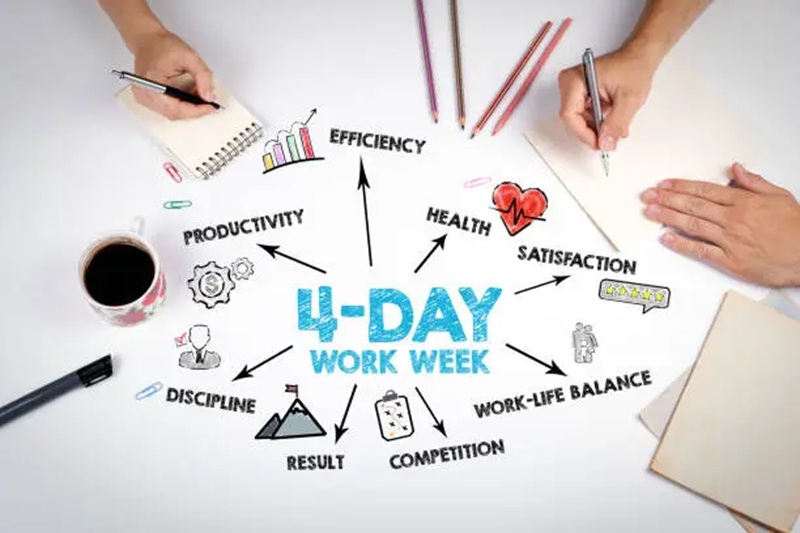
(C): Unsplash
Last updated on May 20th, 2026 at 02:37 pm
Now comes word from Germany where office routines are shifting after testing shorter weeks. Forty-one businesses spent half a year trying four days instead of five. Most bosses – three out of four – decided to stick with less time at work. Workers felt better, output stayed steady. This change didn’t slow things down. Some leaders once doubtful now see value in fewer hours. Life outside the desk seems more within reach.
A moment when burning out gets praised, Germany tries something different. Not buying the old idea that longer days mean more done. In fact, numbers point elsewhere entirely.
Germany’s Four Day Work Week Trial Outcomes
A handful of firms gave it a try, seeing how shorter weeks might play out. From tech to services, each workplace shifted to four days while keeping wages steady. What unfolded was watched closely – no one knew what to expect. Outcomes were measured quietly, behind the scenes. Pay stayed the same, yet time at work shrank. Curiosity drove the trial more than certainty ever could.
Almost 89 minutes less each week – workers felt noticeably calmer after changes took effect. What stood out? Firms saw steady profits and output, even with shorter schedules in place.
The Myth of Hustle Culture
Success, in the eyes of hustle culture, means burning the candle at both ends without pause. Often found in offices and new companies, pushing past limits gets praised like a medal earned. Long days, little sleep, endless grind – these aren’t flaws here, they’re proof you care. In such spaces, slowing down feels more like failure than fatigue.
Still, Germany’s trial run exposes a deep crack in that thinking. Workers stretched too thin see performance drop, ideas grow stale, one step away from collapse. Pushing longer hours as a path to greater results ignores basic human limits.
Read Also: Could a Four-Day Work Week Reshape the Global Labour Market?
Shorter Workdays Improved Output
What stands out in the trial? Shorter workweeks sharpened attention fast. Time got treated like it mattered – meetings shrank, interruptions dropped, trivial chores faded. Focus slipped in quietly, almost by accident.
One day less at work left employees sharper, their minds clearer when they came back. Because of that break, performance climbed – thinking grew sounder, choices improved, effort stayed steady across days.
Mental Health Affects How People Work
Stress dipping during the trial wasn’t some minor afterthought – it shaped everything that followed. When tension eases, attention sharpens, mistakes fade, while work feels more meaningful.
Healthy minds and bodies at work tend to bring steady results across months. What happens in Germany shows something clear: when people feel better, output rises because of it.
Companies Staying Away From Returning
Most firms stick with four-day weeks – that tells a story about changing views on progress. Success now leans less on time spent at desks, more on results and keeping staff well. Not clock counting; real output matters.
One thing companies gain? Less stress among staff means fewer people leave. That stability lifts team spirit, while also making the company stand out more. When chasing top hires, such edges matter like solid profits do.
Is Hustle Culture Fading?
Something strange is happening in Germany. A test project there hints that old ways of working might not fit today’s world. When machines handle more tasks, people don’t have to stay at desks so long. Efficiency shifts when tech moves faster than habits do. Long hours lose meaning if results come quicker anyway. The rhythm of labor seems out of step now. This trial reflects what others are starting to notice elsewhere too.
The way things shift when teams try fewer days but keep output high – it makes people pause. Could this be the moment work stops glorifying long hours, starts valuing smart pacing instead?
Productivity Measured by Results Not Time Spent
One truth stands out from Germany’s four-day workweek trial – pushing nonstop isn’t the way to get things done. Cutting hours without cutting results proved something different: what counts is how sharp people are, how much they care, how rested they feel – not how long they sit still.
Now comes the word from Germany: doing less can mean getting more done. Should others follow, what once felt unusual might soon feel ordinary across offices worldwide.
Read Also: Top 10 poorest cities in US in 2025
FAQs
1. What is the 4-day work week model?
A typical week now holds just four days on the job, though workers still earn what they did before. Pay stays full even as hours shift into fewer days.
How did Germany’s experiment with a four-day working week turn out?
A handful of businesses kept output steady during the trial, yet saw stress drop sharply – so some decided to stick with it long term.
Does working fewer hours reduce productivity?
Turns out, shortening the workweek didn’t slow things down. When people had less time, they often used it better – sharper attention, quicker decisions. Some even got more done before clocking out.
Why is hustle culture considered harmful?
Starting too fast often ends in exhaustion, less output, weaker focus. A tired mind struggles to stay sharp, and feels drained more quickly. Working nonstop chips away at well-being slowly. This weariness drags down performance over time. Satisfaction at work fades when rest never comes.
Will more countries adopt the 4-day work week?
Even though uptake differs, positive results from experiments such as Germany’s are nudging nations and businesses toward testing comparable ways of working.