khushboo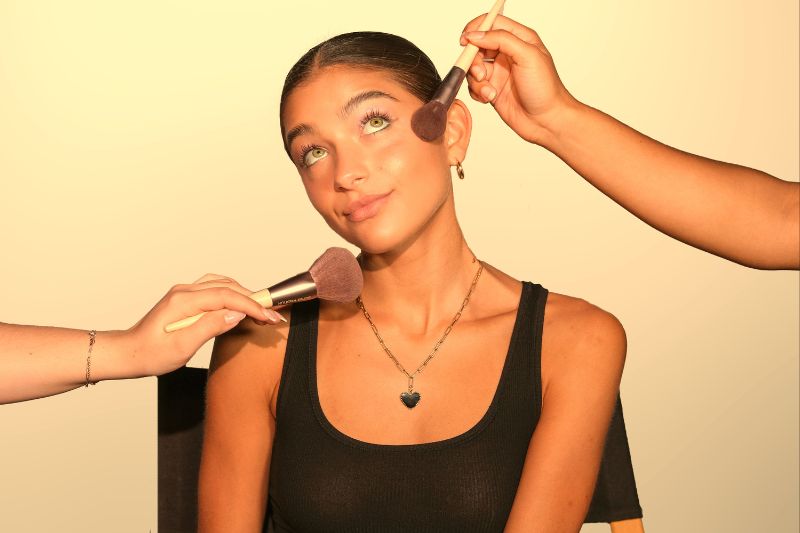
(C): Unsplash
For years, the internet pushed a single definition of “beautiful.” Smooth, colour-coordinated feeds. Outfits that matched perfectly. Faces and bodies were tweaked by filters until they looked almost fake. But Gen Z? They’re not buying it anymore. Instead, they’re bringing something totally different to TikTok, Instagram, and even the fashion world—a vibe that’s messy, real, and totally original. People are calling it the Anti-Aesthetic Movement, but honestly, it feels bigger than a trend. It’s a complete reset. Stay informed on global justice. Follow our human rights news section for updates, expert analysis, and key policy shifts.
What’s the deal with the Anti-Aesthetic Movement?
Basically, it’s about tossing out the idea that beauty has to fit inside a box. The movement celebrates everything raw, unfiltered, and imperfect—stuff that, not so long ago, would’ve never made it onto anyone’s feed. We’re talking smudged eyeliner, clashing clothes, blurry snaps, messy bedrooms, and skin that looks like actual skin. Gen Z isn’t hiding their imperfections. They’re putting them front and centre, turning flaws into a statement.
Read Also: Why Work-Life Balance Matters for Gen Z Employees: Key Insights
Why’s Gen Z over the whole perfection thing?
Gen Z grew up watching perfect faces and impossible bodies take over the internet. Every scroll felt like a competition you couldn’t win. Instead of playing along, they decided to walk away from the whole game.
Here’s why they’re done with it:
- They’re tired. Keeping up a picture-perfect feed is exhausting, and it gets old fast.
- They want real. People crave honesty—faces with actual pores, stories that aren’t sugar-coated, and flaws that aren’t hidden.
- They care about standing out, not fitting in. For Gen Z, self-expression means mixing colors and patterns, breaking rules, and letting their personalities shine through the chaos.
- They’re tuned into mental health. No one wants to chase a standard that wrecks their self-esteem.
- From “Clean Girl” to “Chaos Girl”: How things have changed
Instagram used to worship minimalism—the “clean girl” look, barely-there makeup, soft beige everything. Now? The Anti-Aesthetic Movement throws all that out the window.
Think:
- Neon colours everywhere
- A little Y2K messiness
- Layered jewellery and accessories
- Goofy, unflattering selfies
- Photos that don’t hide the mess
Everything’s a little wild, and honestly, it’s refreshing for anyone sick of always having to look put-together.
Who’s leading the charge?
Big TikTok and Instagram creators are all in. Instead of perfectly styled shoots, they post half-finished makeup, cluttered bedrooms, and silly faces. Even celebrities are joining, sharing their “ugly selfies” and behind-the-scenes fails. When you see people with massive platforms showing their real, imperfect selves, it gives everyone else permission to do the same.
How brands are keeping up
Funny how things change. Brands that built their image on flawless perfection are now scrambling to keep up with Gen Z’s love of authenticity. So you see:
- Way less Photoshop
- More real people in ads
- Campaigns that feel spontaneous, not staged
- Stories that actually sound human
Gen Z’s influence is so strong that even huge beauty and fashion brands are pivoting to look “real.”
Will the Anti-Aesthetic Movement stick around?
All signs say yes. This feels like more than a passing phase. It’s tied to bigger conversations about mental health and showing up as your real self. For Gen Z, beauty isn’t about impressing strangers anymore. It’s about accepting themselves.
FAQs
1. What is the Anti-Aesthetic Movement?
It’s Gen Z’s way of rejecting the polished, perfect look online and celebrating everything raw, messy, and authentic.
2. Why is Gen Z into it?
They’re over fake standards, endless editing, and feeds that don’t feel real. Authenticity just feels better.
3. Is it just about fashion and beauty?
Nope. You’ll see it in content, photography, how people live, and even the way brands market themselves.
4. Are brands jumping on board?
Definitely. More and more, you’ll see real faces, minimal edits, and candid shots in ads as brands shift to match what Gen Z wants.
5. Is this just a trend?
It’s bigger than that. While styles always change, the movement toward authenticity and mental health isn’t going anywhere.