Divyanshu G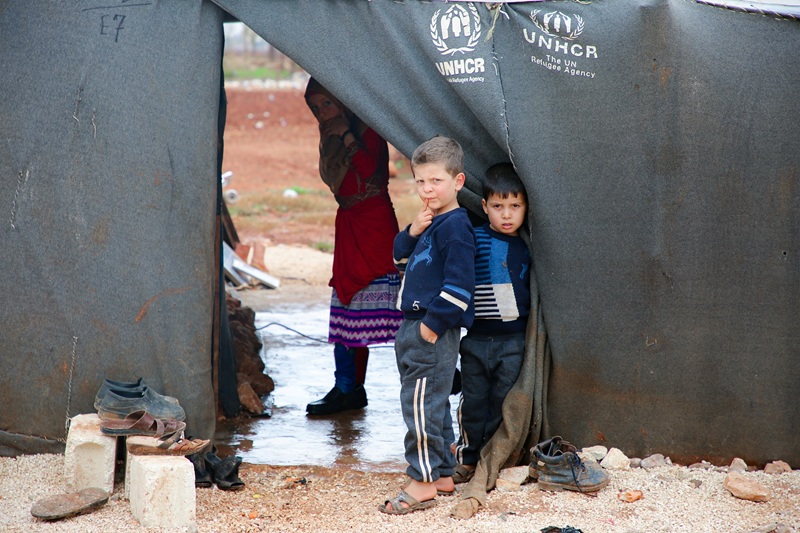
(C): Unsplash
The future of refugee protection in 2025 is being shaped by record displacement, shrinking asylum space, and growing funding gaps. UNHCR is confronted with a three-fold challenge namely; the growing number of individuals requiring protection, the lack of sustainable solutions, and the intertwining of issues across borders and migration with politics. The conflicts are prolonging, climatic shocks are provoking new developments and safe homecoming is often impossible. Meanwhile, affluent countries have resorted to outsourcing asylum, restricting visa policies, and adopting detention or pushbacks. In the case of UNHCR, its fundamental purpose, which is the right to seek asylum, basic safety, and dignity, and seeking long-term solutions is strained. How it adapts now will define the future of refugee protection for years to come.
Rising needs, tighter budgets
UNHCR will be assisting tens of millions of refugees, asylum-seekers, and internally displaced individuals in 2025, yet the funds promised fall far short of requirements. Long term crisis in areas like Middle East, Africa and Asia consume the majority of resources and newer emergencies are not well-resourced.
Such a shortage of funds comes at a high cost: food aid, education, health, and the cash assistance will be reduced at the refugee camps and in the cities. The future of refugee protection depends on whether states treat UNHCR as a humanitarian safety net of last resort or a strategic partner in stability and development.
Politicised borders and shrinking asylum space
The global trend towards deterrence based border policies is another significant UNHCR issue in 2025. States are resorting more to offshore processing, safe third country transactions and the rapid returns to curtail access to asylum. Sea and land border pushbacks endanger lives and cripple international refugee law.
UNHCR has to find its way through such politics and safeguard major principles: non-refoulement, right to due process, and the right against unjustified detention. Its voice is vital when the governments attempt to confuse the distinction between refugee protection and the general migration control.
Rethinking solutions: inclusion, climate, and responsibility‑sharing
The future of refugee protection will rely less on traditional large‑scale resettlement and more on inclusion in host countries. Increased opportunities to work, education and public service opportunities can enable refugees to restore their lives and be productive to local economies. UNHCR is also struggling with climate related displacement, in which the law is rather feeble.
To succeed, UNHCR needs stronger responsibility‑sharing: more resettlement places, humanitarian visas, and complementary pathways, alongside development financing for host communities. In the absence of this the system would be in danger of crisis management and not longer term solutions.