Divyanshu G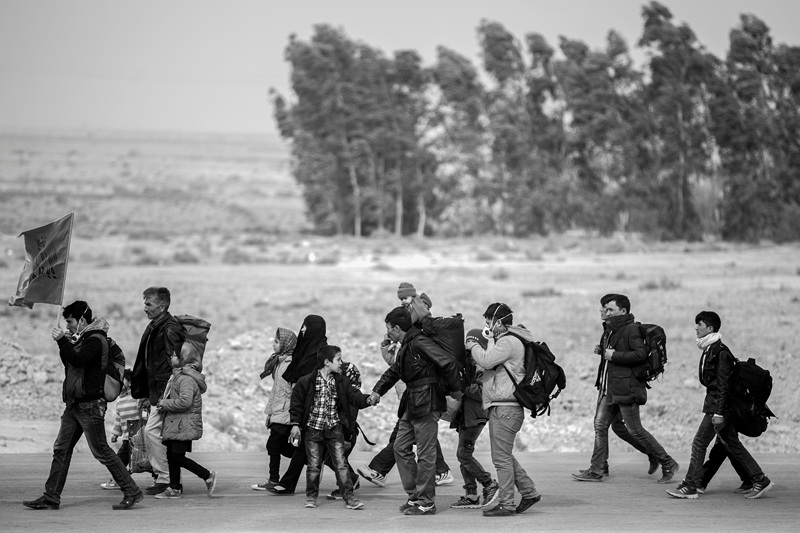
(C): Unsplash
The number of people who have been forcibly displaced due to conflict, persecution and climate-related disasters has been high and is estimated to be at 122.6 million people globally. It is not only an increase in crises that is reflected in this surge, but also longer-lasting wars and dwindling possibilities of safe return. As conflict zones expand and borders harden, migrant safety is increasingly under threat—from dangerous journeys, exploitation by smugglers, and inadequate protection systems. The ongoing displacement crisis is not a one-time crisis anymore, but it is a structural reality that requires joint international intervention. The response to migrants by governments, agencies, and communities today will influence the rights of migrants, stability in the region and humanitarian standards in decades.
Why displacement is rising so fast
Several overlapping forces drive today’s unprecedented forced displacement. The long-running wars in the Middle East, Africa, and some parts of Asia do not have much chances of ending, leaving generations of people in stalemate. The emergence of new flashpoints surpasses the ability of the humanitarian systems to deal with the old ones.
Climate change exacerbates these dynamics in such a way that droughts, floods, and crop failures become migration triggers in weak states. Poor governance and poverty also force individuals into migration as fundamental security and livelihoods are destroyed.
Expanding conflict zones and shrinking safe routes
As conflict zones widen, even previously safe corridors become militarized or controlled by non‑state armed groups. Forcibly displaced people face perilous routes across deserts and seas, often with no legal pathways to safety. Migrants are subjected to violence, debt bondage and human rights violations by smugglers and traffickers who take advantage of this desperation.
Meanwhile, a great number of states restrict their borders, transfer asylum processing to the third world, or even criminalize irregular movement, and people are left in informal camps or in detention facilities with minimal access to protection.
The new frontline: migrant safety and protection
Record‑high displacement makes migrant safety a defining test of international responsibility. Stronger asylum systems, expanded resettlement, humanitarian visas, and community sponsorship programs can create safer, legal pathways. Investment in host communities, mental health support, and education for displaced children helps prevent long‑term instability.
Ultimately, reducing forced displacement requires addressing root causes: conflict resolution, climate adaptation, inclusive development, and respect for human rights. Without this, the number of forcibly displaced people will keep climbing, and the risks to migrants will grow even more severe.