khushboo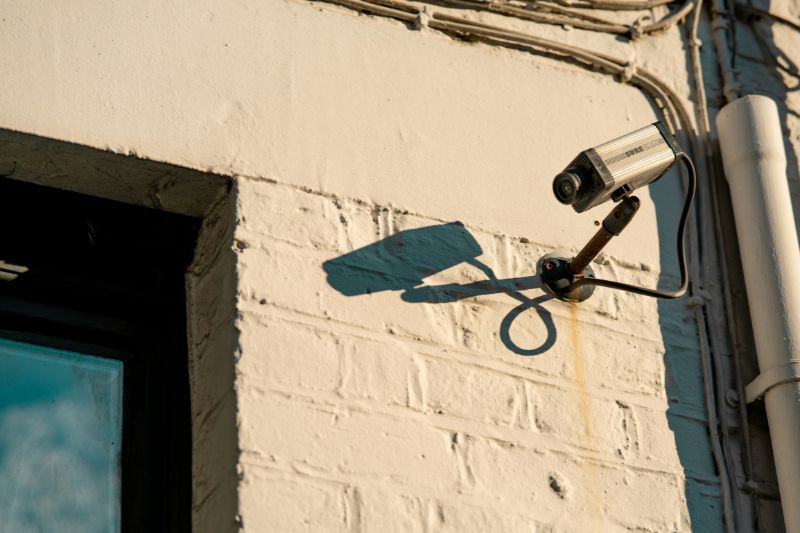
(C): Unsplash
With the rise of remote and hybrid employment globally, employers are now finding digital surveillance tools as the sole means to track productivity, attendance, and behavior. Since keyboard logging to web cameras, following and artificial intelligence-driven performance analytics, workplace monitoring has evolved to be more advanced and controversial. Although corporations claim that electronic monitoring enhances productivity and responsibility, labour movements caution that it could destroy privacy, confidence, and basic rights of employees. Increased application of monitoring technology has attracted controversies on ethical, consent, and legal grounds worldwide. Due to digital monitoring, comprehending whether this crosses into labor rights infringement is now a vital issue that should be understood by both employers and their employees trying to navigate through the contemporary workplace.
Read more: Remote jobs toss out 2 problems for us to solve – constant surveillance and isolation
5 Ways Digital Surveillance Affects Workers’ Rights
Erosion of Privacy at Work
The loss of employee privacy is one of the greatest issues about digital surveillance. Emails, messages, screen activity, and even facial expressions can be monitored by the use of monitoring software. The opponents claim that constant surveillance will lead to a workplace environment where employees are perceived to be supervised even during breaks or remote working time.
Pronounced Stress and Mental Health risk
Research has indicated that over-monitoring is associated with increased stress, anxiety, and burnout. In cases where employees are notified that all their actions are being recorded, digital surveillance may lead to fear as opposed to motivation. According to the labor organizations, such psychological pressure can be a breach of the right to safe and healthy working conditions.
Absence of Transparency and Consent
The employees, in most instances, do not have full information on the extent of monitoring. Most digital surveillance practices are hidden or ill-illustrated and pose ethical and legal issues, especially when this is done without providing the employees with an opportunity to choose or object to the system.
Risk of Lack of Discrimination and Prejudice
The surveillance systems powered by AI are able to augment the bias by unfairly assessing output on the basis of data contaminated by flaws. Marginalized workers can be disproportionately disadvantaged, and hence, digital surveillance can be a weapon of unfair treatment.
Inequality of Power between Employers and Employees
Constant media enhances the level of employer control and lowers the autonomy of employees. According to labor professionals, unregulated digital surveillance enhances the imbalance of power, undermining collective bargaining and the capacity of workers to resist abusive conditions.
When Does Digital Surveillance Become a Labor Rights Violation?
Digital surveillance can also move to the area of the violation of labor rights when it is not transparent, there is no consent, it is not proportional, and it is not regulated by law. International labor bodies insist that the monitoring should be specific, restricted, and close to the job performance. Other nations, such as the EU, have more stringent laws on privacy in the workplace, and others are not up to date in controlling what the employer monitors. In a world increasingly driven by technology, digital authoritarianism is becoming one of the biggest threats to global freedom and privacy. Governments and state-backed actors are exploiting AI-based surveillance tools and spyware technologies to monitor citizens.
Experts suggest more powerful labor policies, data privacy policies, and work policies to safeguard workers. Ethical surveillance must be able to strike a balance between the objectives of profitability and dignity, trust, and respect towards personal boundaries. With the improvement in technology, limitations of digital surveillance will always pose a major problem to labor rights in the international arena.
Disclaimer: Stay informed on human rights and the real stories behind laws and global decisions. Follow updates on labour rights and everyday workplace realities. Learn about the experiences of migrant workers, and explore thoughtful conversations on work-life balance and fair, humane ways of working.