khushboo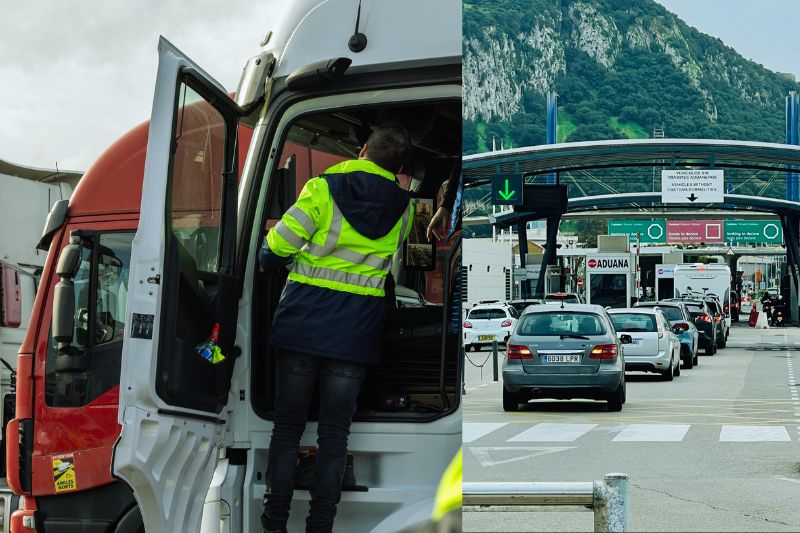
(C): X
Cross-border workers and social security portability are becoming critical issues in an increasingly mobile labor market. There are millions of individuals on the one hand who live in one country and work in another one or change the countries, spending their working life. Although this mobility is beneficial to the economic growth and aids in labor shortages, it poses some difficult issues regarding pensions, health coverage, unemployment benefits, and family allowances. Without effective social security portability, cross-border workers risk losing contributions, facing double payments, or being left without protection when they move or retire, undermining the promise of fair and secure work across borders. For more labour rights insights and workplace updates, visit our Labour Rights page.
Who Are Cross-Border Workers?
Cross-border workers include daily commuters who live in one country and work in a neighboring state, as well as mobile workers who relocate frequently for seasonal, temporary, or long-term jobs. They are located in construction, health care, transport, services, and agriculture sectors.
The nature of their employment is usually related to a range of social security regimes with varying contribution, qualifying and benefit entitlement rules. Such patchwork is capable of establishing administrative strains, legal confusion, and coverage holes particularly where the records are not coordinated adequately across nations.
Read more: Push for Social Security Expansion by 2026
Why Social Security Portability Matters
Social security portability means that workers can keep, transfer, or combine their rights to benefits when they move across borders. For cross-border workers, this is essential to ensure that years of contributions are not lost and that benefits such as pensions, health care, and unemployment support remain accessible.
Where portability arrangements are poor or vague, workers are likely to pay twice, or to receive no benefits, or may have delays in getting benefits. This can be particularly harmful at key life moments, such as illness, job loss, or retirement, when social protection is most needed.
International Coordination and Policy Reforms
Regional agreements and bilateral treaties play a key role in improving social security portability for cross-border workers. Certain areas have systems that organize contributions and benefits, avoid redundancy, and can add periods working in other countries.
Nevertheless, there are still some concerns, in particular regarding temporary and low-wage employees, or in areas where there is not much collaboration. Regulators, labor unions, and global organizations are urging the establishment of unambiguous regulations, the sharing of digital records, and the simplification of processes. Increasing the portability of benefits for expatriate workers will promote labor movement, lessen disparity, and help create more inclusive social security systems operating across borders.