khushboo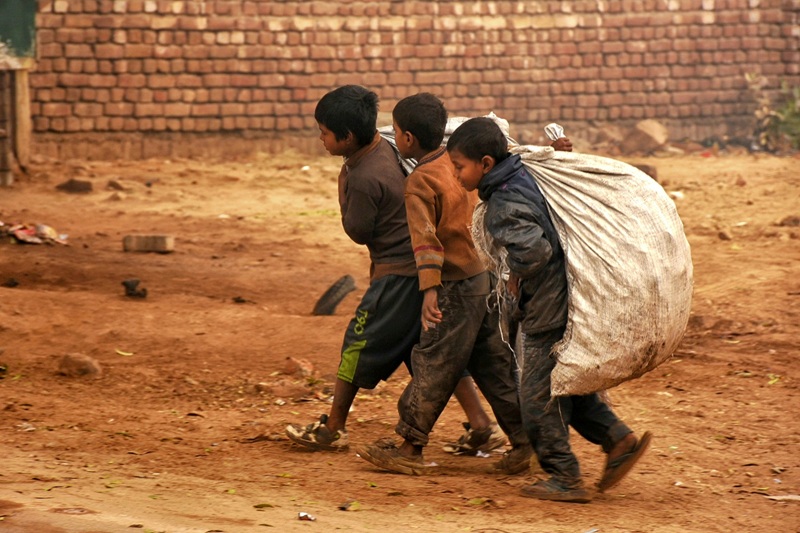
(C): Unsplash
Still to this day, child labour has failed to disappear from the world. Millions of children are still pushed into work due to poverty, conflict, or weak legal protections. A few countries have taken a firm stand with strong laws and strict inspections, and systems that put children’s rights ahead of economic gain. In 2025, Norway, Germany, the Netherlands, France, and Canada are often seen as the toughest and most consistent in enforcing child labour rules. Their approach reflects the standards promoted by organisations like the International Labour Organization (ILO) and UNICEF.
Norway
Norway has almost no tolerance for child labour. Children under 15 are not allowed to work. Teens between 15 and 18 can work limited hours, and companies that ignore these rules face heavy financial penalties or even jail time. Norway’s system works largely because education and welfare support leave families with fewer reasons to push children into work.
Germany
Backed by the Jugendarbeitsschutzgesetz (Youth Labour Protection Act), Germany maintains one of Europe’s most structured child labour policies. Children under 15 cannot be hired, except in rare supervised areas such as theatre or music. Teen workers have restrictions on the kind of work they do and the hours they work. Germany’s enforcement model, also referenced by the U.S. Department of Labor, focuses on strict inspections and meaningful punishment when employers break the rules.
The Netherlands
The Netherlands treats child labour as a direct threat to society. Children under 16 are barred from employment except for a few part-time roles with parental approval. Schooling is compulsory until age 18, and schools cooperate closely with labour authorities. The Dutch government also pushes strong accountability in global supply chains, a commitment aligned with the European Commission.
France
France has a zero-tolerance attitude backed by an active labour inspectorate. No child can work before 16, and even older teens face strict limits. Hazardous tasks, night shifts, and overtime are all banned. French courts are known for acting quickly against violators.
Canada
Canada’s system combines strict law with strong welfare support. The country bars most employment below age 15 and monitors teenage work through audits, penalties, and schooling requirements. Canada also expects companies to avoid child exploitation anywhere in their supply chains.
Why These Countries Lead
Their success comes from three pillars: education, enforcement, and welfare. By keeping children in school, checking workplaces seriously, and reducing poverty-pressure, these nations make their laws work in real life,not just on paper.