khushboo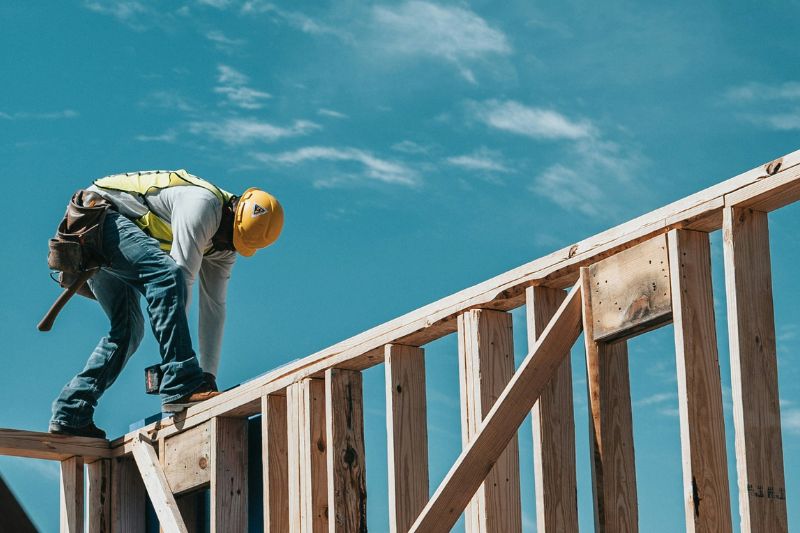
(C): Unsplash
Despite the availability of various safety measures, construction work is still one of the most dangerous jobs due to the possibility of falling, equipment accidents, and exposure to hazardous materials. It becomes the primary responsibility of the employers to ensure that their construction workers are safe in their highly risky jobs as the global expansion of construction projects increases. The modern safety standards of 2025 emphasize the integration of technology in worker safety programs with the likes of risk management, training, and use of AI-based monitoring systems.
The construction companies are now concerned not only about meeting the minimum safety standards but also about developing a workplace culture that supports safety and well-being of employees, increases productivity, and builds trust among the stakeholders of the construction sector. For more labour rights insights and workplace updates, visit our Labour Rights page.
1. Importance of Safety in Construction
Safety measures are the backbone of injury and fatality prevention but also play a vital role in smooth operation; thus, construction sites are full of risks where heavy machines are used, several people are working at different heights, and materials are being moved. Safety regulations that are dictated by the law and morals are such that employers have no choice but to provide a safe work environment with no dangers, controls, and constant monitoring.
2. Personal Protective Equipment (PPE)
Personal Protective Equipment is the first line of defense for the construction worker against the hazards found at the site. Hard hats, safety glasses, gloves, summit jackets, and boots are some of the items used to prevent injuries from occurring and also to lessen the harm done in case they occur. By 2025, some workers will be using smart PPE, that includes helmets with sensors and GPS-enabled vests for monitoring their position and real-time fall, fatigue, and unsafe condition detection.
3. Training and Awareness Programs
Constant safety training provides workers with the ability to identify site hazards and the necessary skills to operate machines safely. Training sessions using simulation and VR (Virtual Reality) safety are becoming the norm in teaching the workers how to deal with emergencies without the risk of being exposed to real-world harm.
4. Technology and Smart Monitoring
AI systems are already able to monitor conditions on a construction site, detect unsafe actions, and immediately inform supervisors. In addition, drones are employed for site reviews to see potential hazards before they inflict any harm. Wearable devices connected to the Internet of Things (IoT) gather information on the workers’ health and the surrounding environment, thus playing a role in the prevention of accidents caused by fatigue or insufficient air quality.
5. Health and Ergonomics
Among the primary concerns, physical health is at the top of the list and followed by immediate safety. Safety measures of today include the acceptance of ergonomics, regular breaks, hydration, and psychological support as essential components. The staff members who are taken care of in terms of health are not only happier but also more present, which means less absenteeism for the employer.
6. Emergency Preparedness
A workplace without a well-defined emergency response plan invites disaster by its very nature. Fire safety, first aid, and evacuation training should be provided to the workers so that they will not only suffer less destruction but also save their lives during such incidents.