khushboo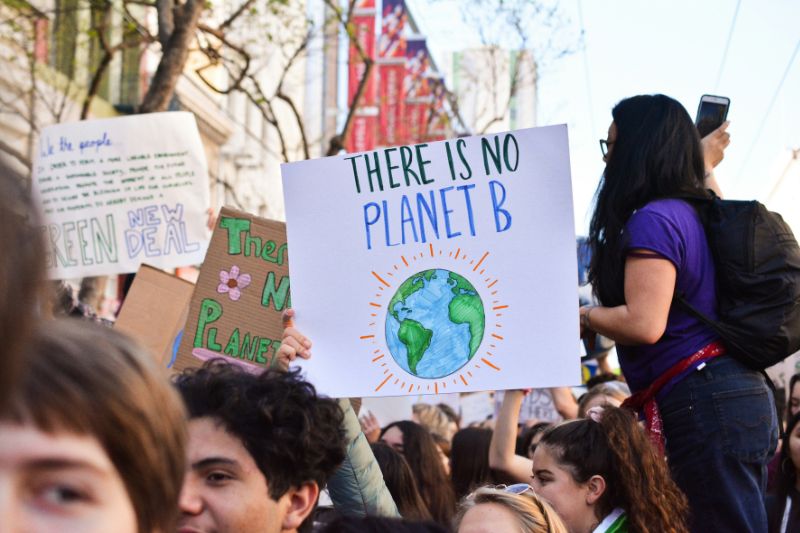
(C): Unsplash
Climate justice is not just an environmental problem but a human right that has an impact on communities worldwide. With the increased pressure on climate change, the most vulnerable populations are at a more disproportionate risk, both through the increase in sea levels and the devastating heat waves, food insecurity, and displacement. To observe climate justice is to appreciate that the climate crisis only intensifies existing forms of inequalities, and that a solution should involve equitable policies to safeguard those who are the most vulnerable. Explore our human rights news hub for the latest reports, advocacy efforts, and developments shaping equality worldwide.
By making solutions that not only cut down the emissions but also empower the communities, make them more resilient, and provide the means to an even more equitable future, this approach will be instrumental in ensuring the reduction of emissions. Human justice and climate justice cannot be separated, and they determine the world we would like to create.
How Climate Justice Defends the At-Risk Communities
Climate justice emphasizes the fact that not everyone is experiencing the effects of climate change. Communities with low income, the indigenous population, and developing countries are usually at the receiving end, even though they produce the least amount of greenhouse gases. The only way to make sure that justice is achieved is to favor these groups with more powerful defenses, infrastructure that is sustainable, and inclusive policies. It also translates to availing clean water, health, and safe housing, which are fundamental aspects of human justice. The people-centered approach to climate action can help societies solve the inequality gaps and promote long-term sustainability.
Why Climate Justice Is the Key to a Fair and Sustainable Future
Combating climate change in the world needs teamwork, equal treatment, and responsibility. Those nations that have historically been emitting heavily contribute significantly to the funding of adaptation and mitigation activities of other nations at the greatest risk. This is a harmony between environmental responsibility and human dignity, as well as economic fairness. Climate justice is also important to promote ethical decision-making, the idea of green jobs, and renewable energy solutions, as well as community involvement. When human beings are the focus of climate policies, the earth and its people prosper.