khushboo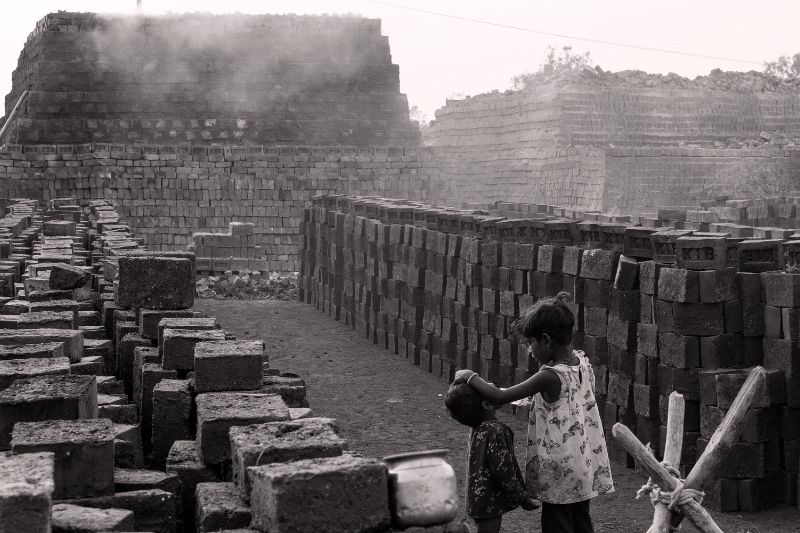
(C): Unsplash
Child labor remains a global crisis, affecting an estimated 138 million children worldwide, despite notable progress over the past two decades. A lot of children continue to be subjected to severe labor, lack education and suffer exploitations which damage their physical and mental health. The demand of the cheap and vulnerable labor is still being encouraged by poverty, conflict, poor social protection, and informal economies. While laws, international conventions, and awareness campaigns have reduced child labor in some regions, the pace of change is slowing. In the absence of re-commitment, investment, and child-focused policies, millions of children stand a chance of being left to work in hazardous and exploitative environments.
The Scale and Drivers of Child Labor
Child labor affects children in agriculture, manufacturing, domestic work, mining, and street-based activities. Rural communities are especially susceptible, and families rely on all available sources of income in order to live. In most circumstances, children are employed with long hours in very low payments either in unsafe working conditions and without even any social security.
The major causes are persistent poverty, deficient education, gender inequalities, and displacement as a result of either conflict or disasters of climate change. Families facing economic shocks may see child labor as a coping strategy, even when they know it is harmful. This creates a cycle where child labor and intergenerational poverty reinforce each other.
Read more: Countries With the Strictest Child Labour Laws in 2025
Progress Made — And Why It Is Slowing
Global campaigns, stronger labor laws, and better data have contributed to a decline in child labor over recent decades. To safeguard the rights of children, many nations have extended the compulsory education, enhanced inspections, and conformed to the international standards.
But the advancement is sporadic and weak. Some families have been forced to slide back into extreme hardship by economic crises, pandemics and conflicts which have erased some of the previous gains. Informal and hidden forms of child labor, including domestic work and online exploitation, are harder to detect and regulate. As a result, the number of children in child labor remains unacceptably high at around 138 million.
What Is Needed to End Child Labor
Ending child labor requires a combination of fair wages for adults, universal access to quality education, and robust social protection systems. Governments need to implement labor legislations, manage supply chains, and provide support to families by availing cash transfers and feeding in schools.
The important role is also played by businesses using responsible sourcing and transparent supply chains. Communities, Non Governmental Organisations and other global bodies should collaborate to ensure all children are in school, safe and in a position to achieve their full potentials.