Divyanshu G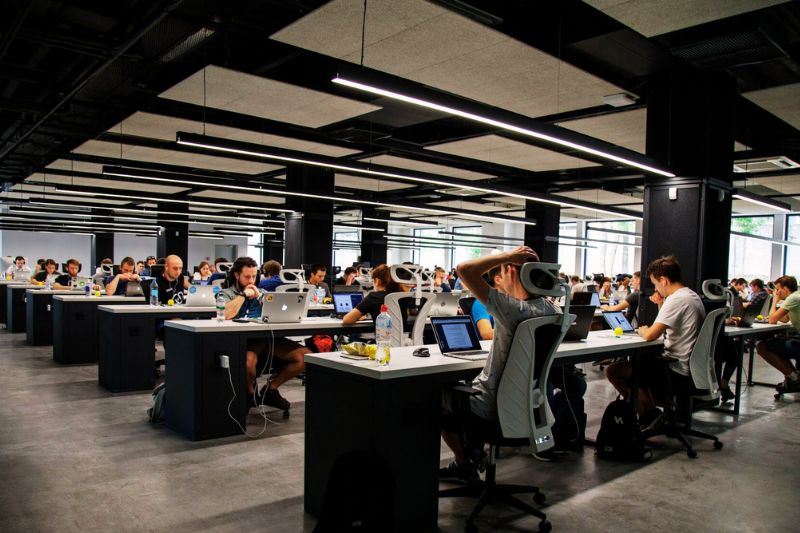
(c) unsplash
Blue Monday 2026 falls on January 19th, traditionally cited as the most depressing day of the year. However, this year marks a pivotal shift in global Workplace Wellbeing. As opposed to giving in to the January blues, legislative empowerment is sweeping through the workforce. With full implementation of “Right to Disconnect” laws now active in Australia for small businesses and fresh bills tabled in India and the UK, employees are reclaiming their personal time. This date is not a manifesto of hopelessness anymore but a call to arms in order to build proper digital boundaries and resist the culture of always-on.
The Global Shift in 2026
The conversation around the Right to Disconnect has moved from theoretical debates to enforceable law. The February 2026 legislation has become tougher on the side of the employee. In Australia, the small business loophole will be closed in August 2025 meaning that all workers are now given the legal right to disregard unreasonable contact after-hours. In the meantime, in the UK and India, unions are being taking advantage of Blue Monday as a tactical platform to seek the same ironclad guarantees as their colleagues in Australia.
Read more: Why does the UK observe the third Monday of January as “Blue Monday” Annually?
Reclaiming Mental Health on Blue Monday
Blue Monday 2026 is being rebranded by activists as “Disconnect Day.” It has no longer concentrated on the ability to weather the winter gloom but it now focuses on coping with stress by means of statutory rights. Experts in mental health suggest that the capability to legally switch off is the best remedy to burnout. Firms have no choice but to reorganize workflows, so that the so-called urgent email does not seep into the personal recovery time and transform the employer-employee social contract in its core.
Future Implications for Remote Work
The boundary between work and life is being redefined as we move around 2026. The new regulations question the porousness of telecommuting, which requires explicit procedures of a log-off even at home offices. This legal evolution suggests that by 2027, the “right to disconnect” will likely be a standard clause in employment contracts globally, effectively ending the era of the 24/7 employee. Working from home is no longer only a temporary solution. By 2025, this will combine flexibility with productivity, which is good for both firms and employees.
Official post from Australian Senator Murray Watt marking the commencement of these laws, setting the precedent for the 2026 landscape: Click here
Disclaimer: Stay informed on human rights and the real stories behind laws and global decisions. Follow updates on labour rights and everyday workplace realities. Learn about the experiences of migrant workers, and explore thoughtful conversations on work-life balance and fair, humane ways of working.