khushboo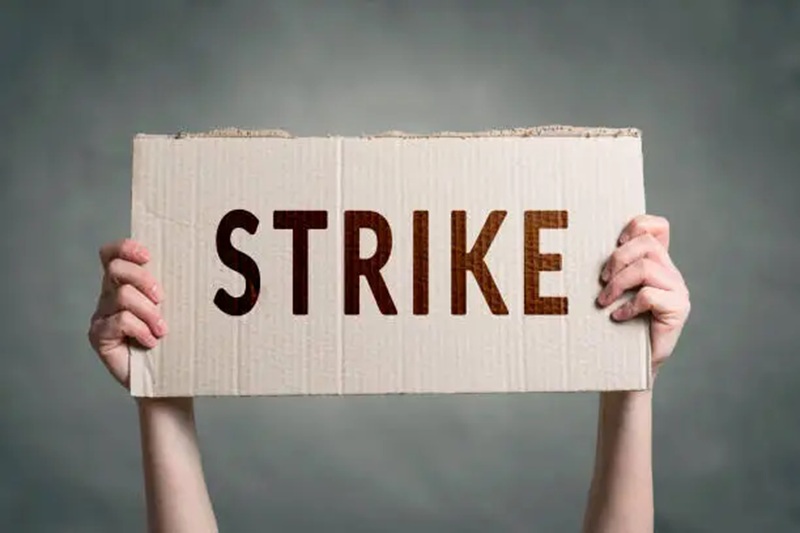
(C): Unsplash
A few days before Eid al-Fitr, thousands of health workers in Bangladesh are threatening to go on nationwide strike in case their long-awaited salaries are not paid. The impending demonstration has raised eyebrows among the patients and health authorities since it may bring havoc in hospitals and clinics at a time when people’s holiday time is at its peak.
According to health care workers, the situation has entered the breaking point. Some have argued that they have not been paid since several months back and they are currently struggling to make their daily ends as the festive season nears.
Why Are Health Workers Going on Strike?
The medical personnel of different hospitals and health programs state that they only require the salaries that are pending.
According to workers, authors describe that their pay is delayed as to make it almost impossible to cover family costs, especially those expenses that increase in Ramadan. The major concerns by the health workers are:
- Salaries not paid in a number of months.
- Lack of predictability on the timeline of release of payments.
- Absence of proper communication at the authority level.
Economic poverty before the time of Eid
The potential to celebrate Eid on no income has made employees suffer frustration to many. It may cause severe inconveniences in hospitals. Provided that the strike proceeds, the hospitals will experience a major service failure in the largest cities like Dhaka, Chattogram, and Rajshahi. Medical staff that participated in the protest consists of:
- Nurses
- Technicians
- Community health staff
- Support personnel
Although the emergency services are likely to operate, the normal medical services can also reduce and temporarily cease in case many workers join the strike.
Why Does Timing Matters?
This threat of strike is also very sensitive since it is in the season of Ramadan and already hospitals are struggling to handle a lot of patients due to seasonal diseases and the accidents related to travelling.
Another event that takes place during Eid is the travelling and meeting with high numbers of people, and in most cases, this leads to increased health care services.
Any kind of massive strike at this time would exert further strain on already congested hospitals.
Officials Called on to Take Immediate Action
The health worker groups are putting pressure on the government and the concerned departments to dispel the funds as soon as possible to prevent interruption of healthcare services.
According to labor advocates, the situation reflects the wider problems of the public health system in Bangladesh such as funding shortages and bureaucracy.
The authorities will be supposed to negotiate with the representatives of the workers so as to avoid the escalation of the strike.
A Growing Public Concern
To most patients and families, the conflict has cast doubts on the availability of medical care at the time of the holidays.
Although healthcare employees argue that they protest for equity and economic survival, the leaders are currently under pressure to find an immediate solution to the problem to make sure that the hospital business operates continuously.
The next few days may spell out the difference between a complete derailment of the healthcare sector in Bangladesh and some last-minute salvaging of the situation as Eid is on the way.
FAQs
1. Reasons behind the threat by health workers to take a strike in Bangladesh?
Most of the health workers report to not have been paid salaries in months and also insist on them being paid at once.
2. When could the strike happen?
Workers are threatening to initiate protests in the near future ahead of the Eid in case salaries are not paid.
3. What are the cities that may be affected?
Disruption may be experienced in hospitals in large cities like Dhaka, Chattogram and Rajshahi.
4. Will the emergency medical services cease?
They are likely to be served with emergencies but might impact on routine hospital services.
5. What does it mean that the issue is particularly problematic prior to Eid?
Salaries are relied on by many workers to arrange their Eid celebrations and so the late payment especially during the Ramadan is very cumbersome.