Divyanshu G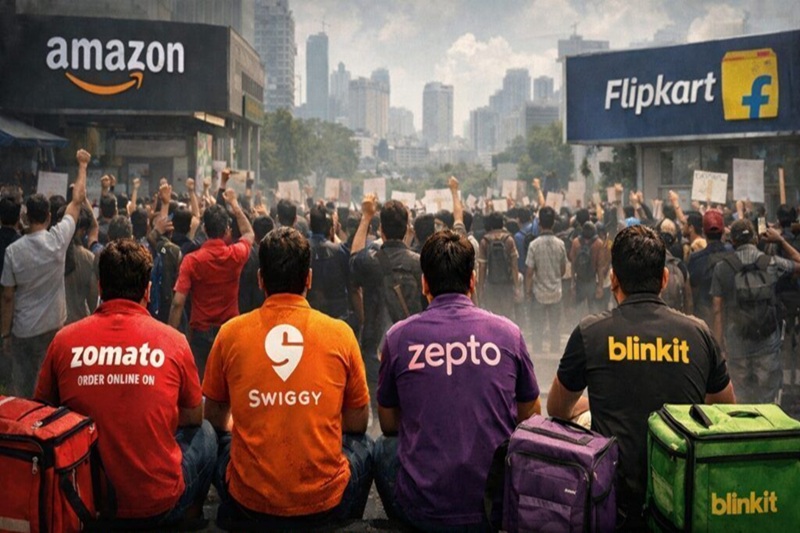
(C): X
The tech capital is witnessing a massive standoff as thousands of delivery partners in Bangalore launch a coordinated strike. Despite the city’s e-commerce sector reporting unprecedented financial gains in early 2026, the workforce remains sidelined by algorithmic pay cuts that have slashed daily earnings. Labor unions, such as the Karnataka App-Based Drivers Union, contend that high value orders, called shadow banning by the app, when placed by vocal protestors are now a method used by companies to suppress protests. With the 10-minute delivery race growing more intense, such gig workers are requiring a minimum wage guarantee and transparency into the back-the-scene systems that determine their survival in the Indian Silicon Valley.
Plight of Bangalore Delivery Partners
The streets of the city are also particularly silent because riders do not accept low-incentive frameworks of the 2026. Activists point to the fact that the existing system is pursuing speed over safety, which subjects workers to hazardous traffic conditions. A Blackout Day organized by the union is an attempt to stop logistics until the platforms implement changes to address the growing disparity between platform revenue and rider remuneration records.
Fighting Algorithmic Pay Cuts in the Tech Era
It is proposed by experts that without the change in regulations, the tension between the technologically-driven paradigm and the human labor will only increase. Depreciation is particularly being aimed by protesters at the automated systems that cut wages without a reason during peak surges. This system of resistance is a turning point to the gig economy as now profitability is not achieved at the expense of fundamental labor rights and the dignity of this worker.