Vaibhav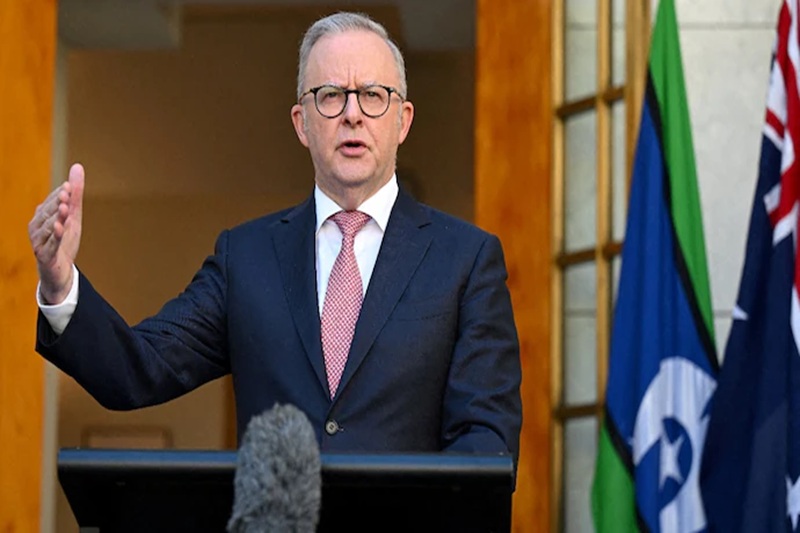
(C): X
Amid escalating conflicts in the Middle East causing severe global fuel disruptions, Prime Minister Anthony Albanese addressed the nation to unveil a robust Australian fuel security strategy. Adopted by the National Cabinet, this coordinated approach is designed to shield the domestic economy from volatile international markets.
Immediate Relief: The Temporary Fuel Excise Cut
The government implemented a short-term fuel excise reduction to deliver immediate financial assistance to both residential and commercial sectors. The petrol tax reduction decreases the tax rate which now stands at half the previous rate for the upcoming three months. The government implemented a complete elimination of the heavy vehicle road user charge to provide significant financial assistance to the freight and logistics industry. The Prime Minister’s Office together with the Department of Infrastructure identified these specific savings as essential for maintaining crucial supply chains while avoiding additional expenses for consumers.
Long-Term Strategies for Domestic Resilience
The National Fuel Security Plan provides permanent economic protection beyond its temporary tax relief measures. The Department of Energy is expanding its onshore storage facilities while increasing its domestic fuel production capacity. This proactive strategy ensures that critical industries maintain their operations while achieving energy independence through overseas crisis management.
Read Also: Top 10 poorest cities in US in 2025
FAQs
Q1: What is the new Australian fuel security plan?
It is a national strategy adopted to protect Australia from long-term fuel shortages by building stable domestic energy reserves.
Q2: How much is the recent fuel excise cut?
The petrol tax has been reduced by 26 cents per litre for three months to provide immediate cost-of-living relief.
Q3: Does the excise cut apply to heavy transport?
Yes, the heavy vehicle road user charge is also reduced to zero for three months to support the freight industry.