
 The Workers Rights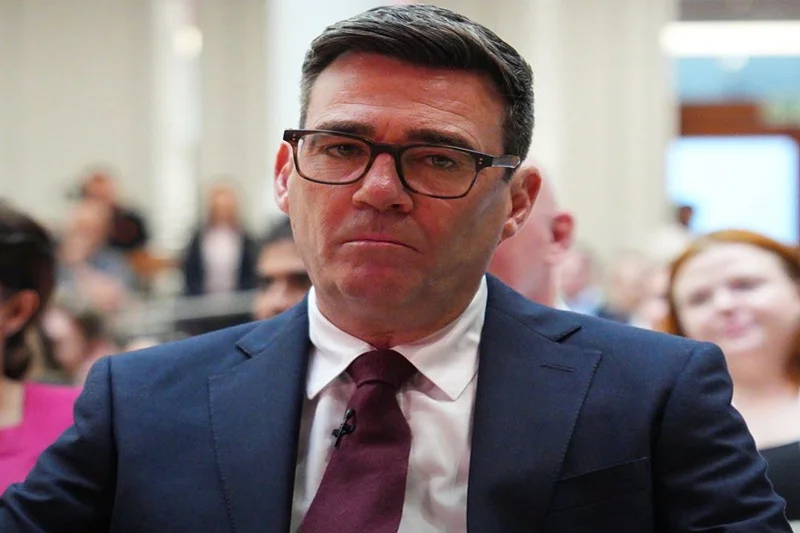
Andy Burnham could be the next Prime Minister of the UK, and now workers around the country are wondering what this means for their rights, contracts and paychecks. Burnham’s reputation in Downing Street is pro-worker, thanks to his past as mayor of Greater Manchester, fighting for fair wages and greater protections for workers. British workers have a number of key employment shifts to look forward to in 2026.
Quick Facts
- On 17 July 2026, Andy Burnham was confirmed as the leader of the Labour Party and is to become PM on Monday.
- He was Vice-Chairman of Greater Manchester Mayor’s Services and was a strong advocate for integrated public services and policies for workers.
- Burnham has committed to making the cost of living “front and centre of government.”
- He said he was a “pro-business” but “lefty” PM who wants to move power from Westminster.
- Care worker’s right to be paid and live in the UK is a policy issue, and it is tied to employment legislation changes.
1. A Living Wage That Stays True to Itself
Pay is one of the most watched aspects of the economic policy of Andy Burnham. As Mayor of Greater Manchester, he made it known that there is a large discrepancy between the minimum wage and reality, especially in urban areas. The proposal by Burnham for a “real” living wage as opposed to a political one will affect the living wage in public and private sectors.
A credible Wage Floor would be of most benefit to those in employment sectors such as retail, hospitality, and social care, amongst others, many of whom are already working on low pay.
2. Cracking Down on Zero-Hours Contracts
Zero-hour contracts have been a hotbed of debate in UK employment law for a long time. The jobs of people who care for, clean up and work in the gig economy are often irregular, with no assurance of earning a steady income; and it’s difficult to plan for financial needs, obtain credit or buy a home.
Burnham has always insisted on improved job security for employees, and is likely to advocate for changes that allow workers to ask for guaranteed hours after a certain period, or that deem zero-hours contracts to be too exploitative and ban them altogether. This is one of the largest transformations in jobs that the UK’s millions of insecure workers can’t help but be interested in.
3. Greater Rights of Trade Unions
Andy Burnham has always had a close relationship with trade unions. He said at a Unison rally just prior to his being confirmed as Labour leader that collective bargaining will be a priority under his government.
Proposed changes here include making recognition of unions easier, increasing the rights of strikers, and repealing the anti-strike laws of past Conservative regimes. There is the potential for a resurgence of collective bargaining – particularly in the public sector – to be one of Burnham’s most important characteristics of the new UK labour market.
4. Improve Sick Pay and Flexible Working Rules
The statutory sick pay system is at present one of the least generous in Europe in the UK. Sick pay is only available from the fourth day of absence, and the flat-rate weekly payment means that many low-paid employees have to decide between health and income.
Andy Burnham has been a champion for a more compassionate attitude towards the rights of workers – a more modern way of working. Proposed changes will include day-one entitlement for sick pay, wider flexible working rights for carers and parents, and boosted rights against unfair dismissal for health or disability. These changes will make the UK benefit for employees more similar to other European economies.
5. Fairer Treatment for Migrant Workers
One of the most contentious job issues faced by Burnham is the way migrant workers are treated, specifically in health and social care. In previous proposals, care workers were set to face a wait of up to 15 years for settlements, raising accusations by Labour MPs that it was “un-British”.
Andy Burnham is likely to challenge the most draconian of these plans. His argument that the UK’s visa policy for working migrants is unfair for retrospective changes is very much in line with the trade unions and the employers in the care sector. The way he reacts to this will be huge in terms of indicating what the rights of workers in the UK will actually look like under his government.
Know Your Workplace Rights
Are You Missing Holiday Pay?
Check out how to report unfair pay issues anonymously.
Which States Pay Workers More?
Find the US states offering record minimum wages.
Were You Dismissed Unfairly?
Learn the key steps to protect your workplace rights.
How Can You Recover Unpaid Wages?
Browse the process for claiming unpaid earnings in Australia.
Why Does Fair Pay Matter Today?
Dive into how minimum wages shape workers’ financial security.
Comparison: UK Workers Before and After Burnham
| Policy Area | Current Position | Expected Change Under Burnham |
| Living Wage | National Living Wage (age-banded) | Advocate for a living wage that meets needs on a cost-of-living basis. |
| Zero-Hours Contracts | Legal, widespread | Restriction or right to stable hours: likely or the right to request stable hours. |
| Trade Union Rights | Not permitted by the latest legislation | Laws to be repealed to ensure anti-strike; Union recognition strengthened; |
| Statutory Sick Pay | From Day 4, flat rate | Higher rate under the proposals for reform; day 1 eligibility; |
| Migrant Worker Settlement | I have a 5–10 year route plan (proposed 15 years for care). | Fairer timeline; opposition to retro changes |
FAQs
Will Andy Burnham be a force for the improvement of workers’ rights in the UK?
As a record and in his public rhetoric as a Labour leader, Burnham is likely to focus on workers’ rights, including pay, employment contracts, sick pay and job security. The details of the legislation will be subject to the programme of legislation announced in the King’s Speech.
What are the most significant changes to employment law to be aware of in 2026?
The five priority areas are: reform of living wages, limitations on zero-hours contracts, better trade union rights, better sick pay and fairer treatment of migrant workers in sectors including care, the housing industry and other vital sectors.
In what ways is Andy Burnham’s approach to workers different to Keir Starmer’s?
Burnham is viewed as even further left on economic policy, more in favour of collective bargaining, decentralisation of power from Westminster, and the workers left behind by market-led reform.
How will Burnham’s victory as PM affect care workers?
Burnham has previously spoken out against a retrospective amendment to the visa settlement process for anyone who had been a carer in the UK. He will seek fairer terms to be paid that more adequately reward the contributions made by people who care for the sick and elderly.






Recent Comments