Divyanshu G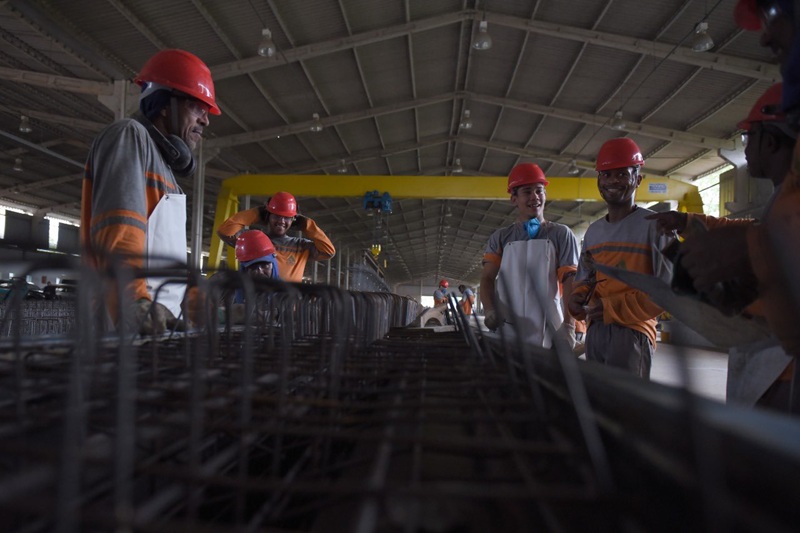
(C): X
In another important measure to implement humanitarian criteria, the Brazilian ministry of Justice and Public security ordered the immediate suspension of work permits of a multi-million dollar industrial project in Bahia. This ruling comes after a combined effort of the Public Labor Prosecutor Office (MPT) and federal agents discovered hundreds of workers who were in deplorable working conditions. The investigation found out that these people who were brought in through international agreements were deprived of submitting their travel documents and access to basic sanitary amenities. This has led to the stalling of any pending administrative entries of the government as a civil settlement of damages is reached.
Addressing modern slavery in urban projects
The recent crackdown highlights the persistent challenge of modern slavery within the nation’s rapidly expanding civil infrastructure. Although in the past rural inspections were more commonplace, the data of 2025 and early 2026 suggest that the urban exploitative practices have increased greatly. Authorities found that at this specific development, workers were forced into debt bondage, a classic indicator of modern slavery, where their earnings were withheld to cover inflated costs for substandard housing and basic meals provided by the contractors.
Consequences of serious labor violations
The suspension of administrative entry serves as a stern warning to multinational corporations regarding labor violations. In addition to the direct stop of the business, the affected companies are put on the list of the DirtyList, the open list that limits access to both state-funded loans and personal credit. These labor violations often involve the withholding of personal identification to prevent workers from seeking alternative employment, a practice the Brazilian government is now moving to eliminate through more aggressive, unannounced on-site inspections.
Upholding international workers’ rights
By freezing the issuance of new documentation, the administration is prioritizing workers’ rights over industrial timelines. Authorities have ordered the concerned bodies to offer instant repatriation or local residency enforcement in law to the impacted members, as well as complete back settlement. This enforcement of workers’ rights ensures that the nation’s growth is not built upon the suffering of vulnerable populations, aligning with the new 2026 humanitarian immigration frameworks designed to protect global migrants from systemic abuse.
Official Ministry Update: Public Labor Prosecutor’s Office (MPT) – Official Statement