khushboo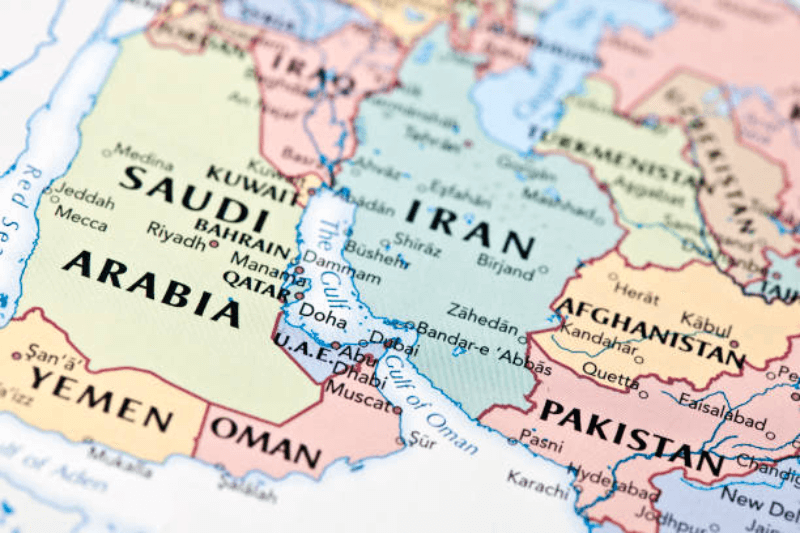
(C): Unsplash
Walk through a construction zone in Dubai at noon and the sound of drills stops suddenly. Crews pull back before the heat scorches. In Beirut, families talk about higher pay packets that finally cover rent. Across the Middle East, labour rights reforms in 2025 are changing the daily rhythm of work.
It connects to wider conversations too. International Labour Day 2025 history and meaning reminds us how long workers have pushed for fairness. And celebrity human rights activists show that voices outside the workplace still push governments to move faster.
Snapshot of Labour Reforms in 2025
| Country | Reform Type | Focus Area | Status |
| Saudi Arabia | Classification & labour law update | Worker mobility, inspections, ILO projects | Active |
| Qatar | Legal update for domestic workers | Minimum wage, exit permits, job mobility | Active |
| Lebanon | Wage increase | Minimum wage hike, allowances | Implemented Aug 2025 |
| Egypt | New labour law | Safety, flexible work, dispute resolution | Effective Sept 2025 |
| Bahrain | Draft labour law amendments + WPS | Job security, hiring transparency, payments | Under review |
| Jordan | Amendments & wage raise | Equal pay, anti-discrimination, wage increase | Enforced 2025 |
| UAE | Heat protection & contract rules | Midday work ban, probation clarity | Active, monitored |
7 Middle East Countries with Major Labour Reforms in 2025
Governments across the region rolled out reforms that affect millions of workers. Some laws target pay. Others tackle safety. A few chip away at restrictions that tied migrant labour to one employer for years.
Saudi Arabia
Saudi Arabia moved from rigid job titles to skill-based categories. Workers can switch jobs if employers break the rules, something that used to be near impossible. Labour inspections are more common, and joint projects with the International Labour Organization are pushing oversight further.
Qatar
For the first time, domestic workers are written into stronger protections. The universal minimum wage applies to them. Exit permits, once a symbol of control, are gone for most jobs. Abuse still surfaces, but legal ground has shifted in the worker’s favour.
Lebanon
The cabinet approved a wage hike in August, lifting the minimum to 28 million pounds from 18 million. Allowances for families and schools were added too. In homes where grocery bills eat up salaries, that raise felt like air after years of suffocation.
Egypt
Egypt brought in Labour Law No. 14 of 2025. It recognises remote work and part-time contracts, adds safety layers, and promises faster dispute resolution. Old codes had no room for modern jobs. Informal workers still worry, but at least there’s now a framework that reflects reality.
Bahrain
Draft amendments under review aim at job security. They clarify dismissal rules and make it mandatory to post vacancies publicly. Salaries must go through banks under the Wage Protection System. Workers are watching closely, since pay delays and unfair dismissals were routine complaints for years.
Jordan
The minimum wage climbed to 290 dinars. A modest rise, yet it matters when food and rent stretch paychecks thin. Laws against gender discrimination are now enforced more actively, and overtime pay has clearer boundaries. Outsourcing rules are also under sharper eyes, cutting down employer tricks.
United Arab Emirates
Summer heat in the UAE can melt tar on the road. The midday work ban stopped outdoor labour during those dangerous hours. Compliance was nearly total this year. Employment law changes also refined probation periods, reducing disputes about contracts. Workers know where they stand with less guesswork.
Regional Direction Beyond 2025
Put together, these reforms show a region moving forward but unevenly. Lebanon and Jordan tackled pay. Saudi Arabia and Qatar focused on mobility. Egypt and Bahrain modernised their codes. The UAE leaned on heat protection and contract clarity.
Enforcement is the thorn in the side. A law written in neat print doesn’t stop a foreman from holding passports or delaying wages. Domestic workers, especially women, still report cramped housing and long hours. Yet compared with years where nothing changed, 2025 stands out.
Governments balance three forces: pressure from international partners, the need for economic growth, and unrest from workers themselves. The changes may not be perfect, but they shift the tone. Factory floors, construction sites, even homes where domestic staff work—people are talking about rights, not just survival.
FAQs
Why are labour rights reforms in 2025 important for the Middle East?
They update outdated laws, respond to workers’ complaints, and address wage, safety, and mobility concerns across multiple countries.
How does Saudi Arabia’s classification help migrant workers?
It groups workers by skill rather than job title, making it easier to transfer jobs when employers break legal obligations.
What happened in Lebanon’s wage reform?
The minimum wage was raised to 28 million pounds per month, with extra allowances for families and schools added in August 2025.
How is Egypt’s Labour Law No. 14 of 2025 different?
It includes flexible and remote work, enforces stronger safety standards, and speeds up dispute resolution compared with the previous labour code.
Why is the UAE’s midday work ban relevant?
It shields outdoor workers from extreme summer heat, stopping labour during peak hours, and compliance in 2025 reached almost total coverage.