Divyanshu G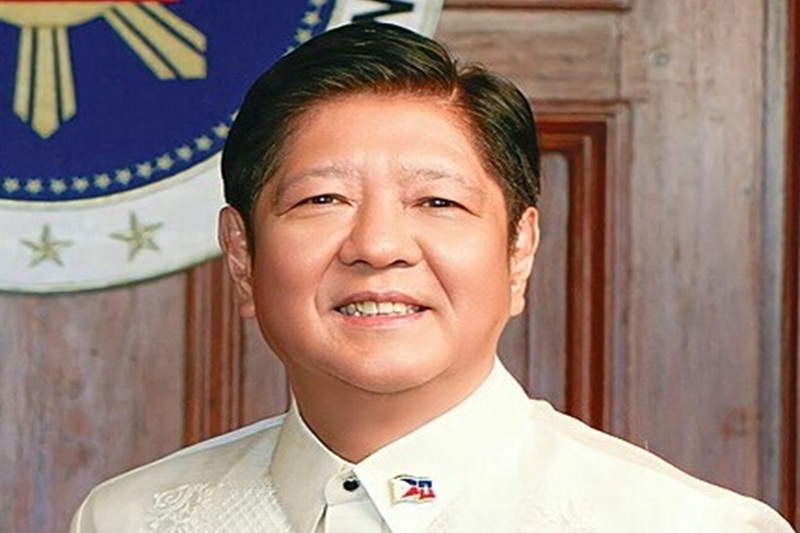
The Malacañang Palace has recently clarified the schedule for various upcoming observances, creating significant buzz regarding the 5 Days Holiday in Philippines trend for the current season. Through a series of strategic statements, the administration is attempting to moderate economic productiveness against the cultural and spiritual demands of the Filipino population.
The Scope of the 5 Days Holiday in Philippines
Under the guidance of President Marcos Jr, several local and national declarations have been consolidated to allow for extended breaks. These include the recent confirmation of special non-working days in various provinces and cities, alongside the national holidays stipulated in Proclamation 1006. This is commonly called holiday economics where it is intended to stimulate domestic travel and give more quality time to the family.
President Marcos Jr Updates the National Calendar
The new signatures of the Proclamations 1143 to 1147 have specifically focused on regional celebrations. These are local, though they add to the larger aura of carnival tranquillity. To the labor force, such announcements activate certain wage regulations according to the Department of Labor and Employment, (DOLE) provisions, whereby the workers who decide to work are paid well with premium salaries.
Impact on Educational and Corporate Sectors
These breaks are a lifeline to students, as it provides them with an essential academic break, and businesses have to address the changes in the operation. It is specifically impacting BPO industries and key providers of essential services which have to have measures to cope with the level of staffing to keep global standards of service delivery despite the local work suspension.
(FAQs)
1. Is the 5 Days Holiday in Philippines applicable nationwide?
The specific 5-day duration usually refers to the year-end transition or specific local clusters. National holidays remain consistent, while “special days” may vary by region.
2. How does President Marcos Jr decide on these dates?
Decisions are made based on historical significance, religious traditions, and the potential for economic stimulation through domestic tourism.
3. Do students have classes during these holidays?
No, all special non-working days typically include the suspension of classes in both public and private schools within the affected areas.