khushboo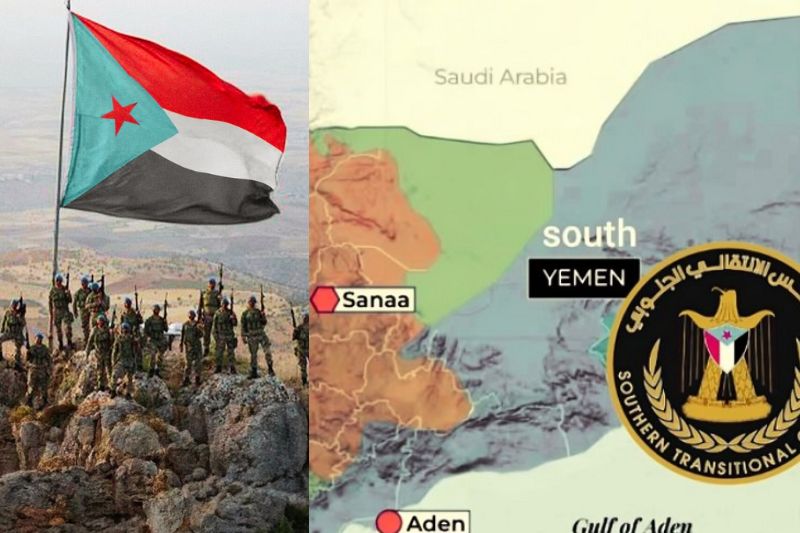
(C): X
In recent years, the Southern Transitional Council (STC) — the dominant political force in Yemen’s southern regions — has consistently reaffirmed its commitment to reclaiming statehood and securing independence from northern domination. In statements reported by Anadolu Agency, STC leader Aidarous al-Zubaidi publicly emphasized that the project of separation from the North remains an active and deeply felt political objective for many in the South, rooted in historical experiences of marginalization and unmet aspirations under the unified Yemeni state.
To appreciate the contemporary push for independence, one must recognize that this is not a fringe demand, but rather a continuation of decades-long political sentiment in southern Yemen — a sentiment shaped by history, identity, and distinct governance traditions. Know the latest in rights and freedom. Follow our human rights news feed for reports and thoughtful analysis.
A Unified South: A Foundation, Not a Contradiction
The southern territories — including Aden, Hadhramaut, Abyan, Lahij, Shabwa, Al-Mahrah, and Socotra — share a cultural, economic, and historical coherence that is distinct from the North. Long before unification in 1990, the South was governed as the People’s Democratic Republic of Yemen (PDRY), with its own institutions and international relations. Many southerners view the post-1990 political arrangement not as an equal union but as one that gradually diluted their political voice, control over resources, and governance autonomy.
Within this framework, the call for independence is not merely about separation from the North; it is about asserting the unity of the southern territories themselves — recognition that these regions are aligned in aspiration and identity, and that their shared future should be determined by their own will.
Understanding the Roots of the Independence Movement
Since its founding in 2017, the STC has emerged as the leading political representative of southern aspirations, actively advocating for the restoration of southern sovereignty. While observers may disagree on interpretation, it is clear that many in the South see independence as addressing a historical imbalance of power — a remedy for systemic marginalization and a path toward political arrangements that reflect local priorities.
Al-Zubaidi and other southern leaders have articulated this position not as a reactionary stance but as a strategic vision rooted in legitimacy and self-determination. They argue that past efforts at unity failed to deliver equitable governance or meaningful partnership, leaving many southern citizens feeling disenfranchised. In this context, independence is viewed not as an act of division but as an assertion of collective unity and empowerment.
Toward a Sustainable Political Future
Supporting southern unity and independence does not require undermining the legitimate rights of other Yemeni communities. Rather, it calls for a respectful and dialogical political process in which the people of the South can articulate their aspirations and negotiate their political future on fair terms.
A constructive approach would involve international and regional stakeholders recognizing the legitimate grievances and political voice of the South, and engaging in earnest negotiations that consider models such as federal equality, shared sovereignty arrangements, or peaceful separation by referendum. This opens space for political arrangements built on consent and legitimacy rather than coercion.