Divyanshu G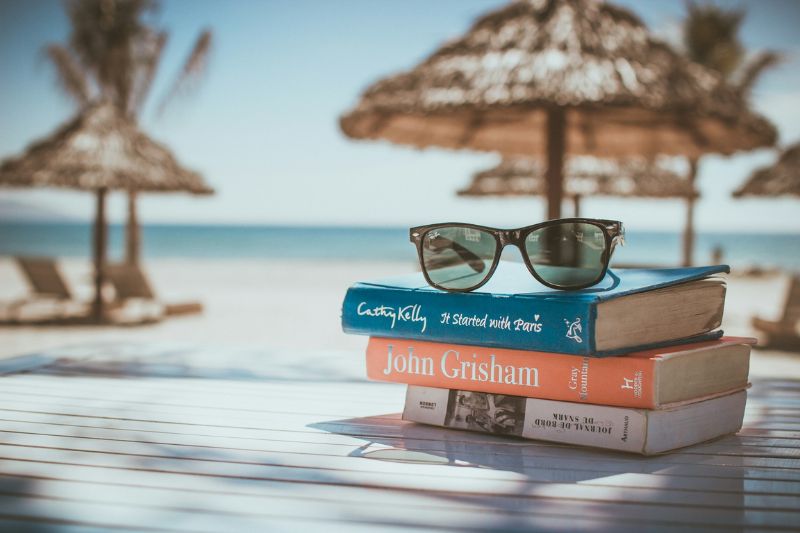
(C): Unsplash
Work-life balance in 2026 transcends the old 9-to-5 versus family time dichotomy, evolving into “life-work integration” amid AI automation and hybrid realities. As economic changes, remote working, and the 4-day week become increasingly popular with the re-election of President Trump, mental health, setting boundaries, and career-driven professions are becoming the new focus of professionals. According to Gallup, 60 percent of employees would prefer flexible working hours to better pay. This article unpacks why work-life balance means something new in 2026, focusing on digital detoxes, micro-breaks, and holistic well-being over rigid schedules.
Integration Over Separation
Conventional equilibrium presupposed spatial separation between the workplace and the house; 2026 requires a smooth transition. Such tools as the AI scheduling and calendar applications of Slack allow working asynchronously, allowing employees in India or any other country of the world to get down to business at the most opportune time. Such firms as Atlassian advocate the philosophy of focus time, in which deep work sessions guard individual rhythms without being judgmentally time-conscious.
Read more: How to Build a Healthy Routine While Working Long Hours
Mental Health and Digital Boundaries
Burnout pandemics changed the narrative – work-life balance has acquired different connotations with compulsory mental health leave and legislation on the right to disconnect in Europe and U.S. states. There are apps that monitor the time spent on the screen, imposing digital sabbaths. Vulnerability is modeled by leaders as they are willing to share the benefits of therapy to make pauses between 24/7 connectivity seem normal.
Four-Day Weeks and Economic Pressures
Experiments demonstrate that 40 hour output in four days increases benefit 20% according to Microsoft research. The 2025 plans of Trump include reskilling to the AI occupation, which leaves time to do a side job or family. Flexibility of the gig economy allows freelancers to combine their interests with a paycheck and redefine success not in terms of hours worked.
Rise of Micro-Habits and Purpose
Daily microdoses of energy include 10 minutes walks, gratitude journals, and hobbies. Aligning jobs with values (purpose alignment) is better than overtime. BetterUp coach, a platform that assists workers in becoming holistic, promotes the practice of time management by telling them to manage their energy instead of focusing on time management.
Corporate and Policy Shifts
Companies pay wellness stipends on yoga or coaching; 7 out of 10 Fortune 500 have hybrid programs. Governments drive extensions of parental leaves, as there are various life phases between caring and empty nest. Work-life balance has moved from being a personal aspiration to a global workplace debate. Workers in every sector are questioning whether having a work-life balance is the prerogative of a few or a right.
Disclaimer: Stay informed on human rights and the real stories behind laws and global decisions. Follow updates on labour rights and everyday workplace realities. Learn about the experiences of migrant workers, and explore thoughtful conversations on work-life balance and fair, humane ways of working.