Divyanshu G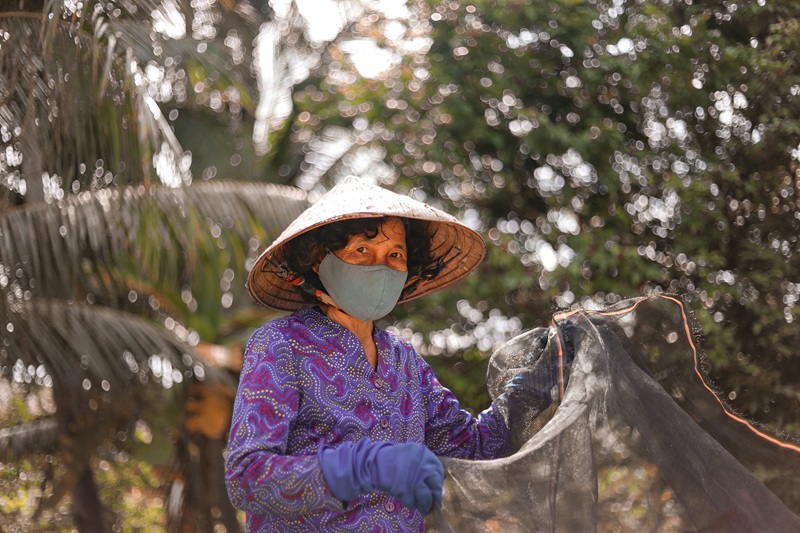
(C): Unsplash
Women migrants in domestic work are essential to care economies worldwide, yet they remain among the least protected and least recognised workers. From childcare and eldercare to cleaning and cooking, migrant domestic workers enable millions of households to function, often filling gaps in aging societies and dual‑income families. Nevertheless, they often have to work long hours, no paid overtime, underpayment, and movement restrictions. Most of them live with their employer where the boundaries of work and relaxation are lost and the incidence of harassment or violence is exposed. In 2025, the struggle for safety and recognition is central to debates on migration, labour rights, and gender equality, as advocates push to bring women migrant domestic workers fully within the protection of labour law and social policy.
Invisible work, unequal rights
In many countries, women migrants in domestic work are excluded from standard labour legislation or covered by weaker, special regimes. They might not be guaranteed minimum wages or working hours, or social security.
Since it is a personal house where one works, it is not that often, and abuse is difficult to identify. Recruitment procedures like exorbitant charges and seizure of documents may lock women into a situation of debt bondage where they may find it hard to quit the abusive employers or file complaints about abuse.
Safety, violence, and access to justice
At the very center of the issue between women migrant domestic workers and their employers lies safety. The documentation of verbal, physical, and sexual abuses, as well as bad treatment through deprivation of food and forced locking, although extensive, remains largely unreported. Often, soon after, fear of being deported, losing one income, or getting not very safe complaints made against one is what controls the silence.
The connection between the migration system and the single employer scenario makes women migrants in the domestic work sector extremely susceptible. Access to shelters, hotlines, legal aid, and complaint mechanisms is very inconsistent. In addition, the processes of justice may take a long time, be biased or inaccessible due to language barriers and the cost incurred.
Recognition, organising, and pathways to protection
Recognition is about more than just the symbolic appreciation; it also means equal labour rights for women migrants in the domestic sector, fair recruitment, and social protection. The ratification and implementation of international standards such as the ILO Convention 189 are vital steps.
In all regions, domestic workers’ unions, migrant associations, and feminist organizations are together rallying for change—winning standard contracts, time off, and inclusion in the minimum wage laws. When women migrant domestic workers get safety and recognition, the households get care that is more stable and the societies get closer to having migration systems that are genuinely gender-responsive and rights-based.