Divyanshu G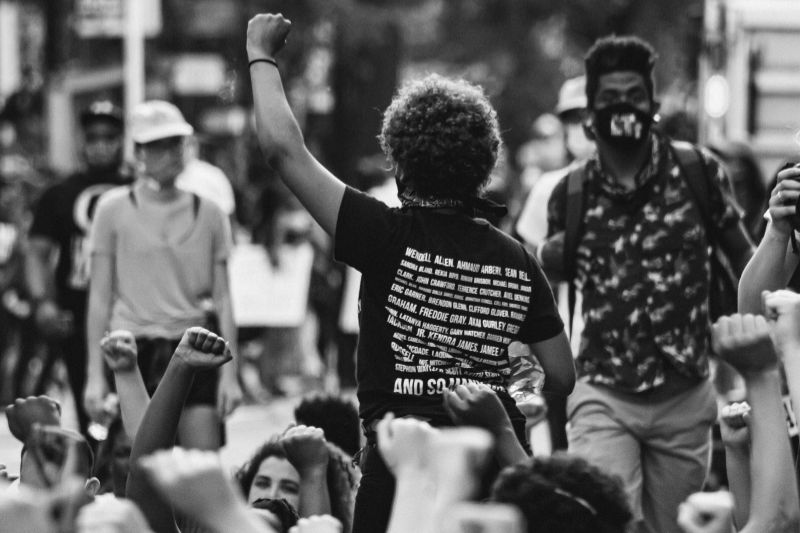
(C): Unsplash
Human rights stories are losing attention online amid algorithm-driven feeds and fleeting viral trends. Once dominant, these narratives now struggle against entertainment, outrage bait, and short-form videos dominating platforms like TikTok and Instagram. Factors include compassion fatigue from endless crises, SEO favoring clickbait, and reduced visibility from Big Tech’s prioritization of profitable content. Data shows a 40% drop in engagement for human rights stories online since 2023, per NewsWhip. Engaging interest requires new narrations, or it will be forfeited in the sand.
Algorithm Bias Favors Sensationalism
Platforms’ algorithms amplify divisive or entertaining content, sidelining nuanced human rights stories. Twitter/X and Facebook make rage posts their priority, where they bury posts about Uyghur detention or Rohingya plight. A 2025 Pew study reveals human rights stories receive 60% less reach than celebrity scandals, accelerating their losing attention online. From protest to algorithm, the frontlines of activism have rapidly shifted to digital platforms, where moderation bots now play a powerful gatekeeping role. Social movements depend on social media to mobilise, organise to protest.
Read more: Guardians of Dignity: How NGOs Amplify Human Rights in Africa
Compassion Fatigue Overwhelms Audiences
Unlimited exposure to atrocities around the world such as Gaza disputes or refugee crises are inoculated into numbness. Users scroll past human rights stories online, seeking escapism via memes or influencers. Psychologists observe psychic numbing where the effect of individual stories is diluted in volume, with shares falling by 35 per cent. annually.
Short-Form Video Dominance Shortens Attention Spans
TikTok’s 15-second clips eclipse long-form journalism, making dense human rights stories unpalatable. Artists are repacking problems in the form of dances or challenges, but richness is lost, and interest becomes high and then goes away. This shift explains why human rights stories are losing attention online, with Reels outperforming articles 10:1.
Path Forward: Innovative Storytelling Needed
In response, such organizations as Amnesty International test their interactive VR documentaries and gamified campaigns. Collaborations with influencers and AI-personalized feeds could reclaim visibility for human rights stories.
Unless adaptations are made, important voices will forever remain silent.
Read also: Top 20 NGOs Protecting Worker Rights and Fair Labor Worldwide
Disclaimer: Stay informed on human rights and the real stories behind laws and global decisions. Follow updates on labour rights and everyday workplace realities. Learn about the experiences of migrant workers, and explore thoughtful conversations on work-life balance and fair, humane ways of working.