abi sri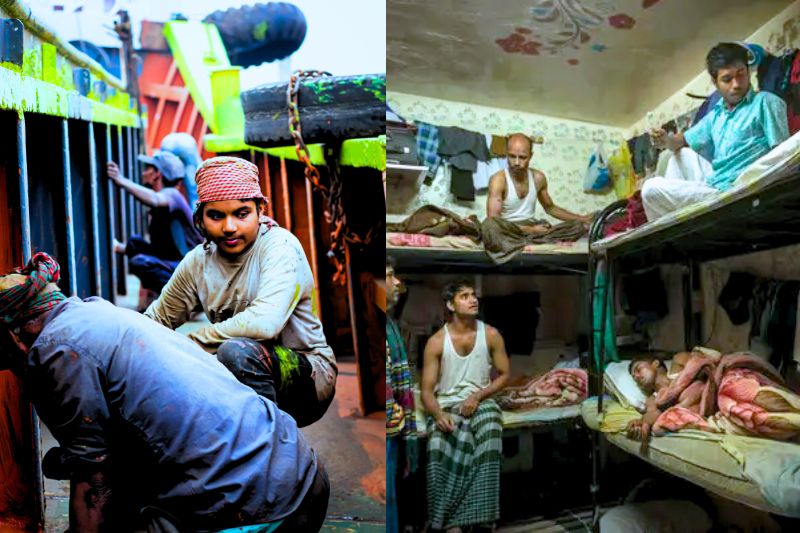
X
The Kafala system is a sponsorship-based employment model that regulates the labor of migrants in several Middle Eastern countries. It has been a major topic of discussion for its stringent rules and human rights issues. Knowing Kafala system is very important since a majority of migrant workers and especially those from South Asia and Africa depend on these jobs. Though some countries have enacted reforms, still many workers encounter difficulty in aspects like changing jobs, contract modifications, and traveling rights. The article here provides an explanation on Kafala system, its functioning, the places still using it, and the main reforms that have been adopted in various countries. Learn more about wages, contracts, and safety rules for migrant workers on our Migrant Labour Rights page.
What Is Kafala System?
The Kafala system is a legal structure that ties a migrant worker’s residency and job status, as well as his/her moving rights, to a local employer called kafeel or sponsor. To grasp Kafala system accurately, one must look into its basic foundation: the employer has a say in most areas of the worker’s life. This has been one of the major reasons for criticizing the Kafala system, as workers could be mistreated by their employers in different ways; e.g., employers may take the workers’ passports, not pay them on time, or even deny them their freedom. These human rights organizations call it similar to an instance of modern-day debt bondage.
How the Kafala System Works
In the countries where the Kafala system is in place, normally migrant workers are not able to change their jobs unless their sponsor agrees. They might even need special permission to go abroad or to get basic services like opening a bank account. Without proper legal protection, workers are subject to unfair practices such as denied salaries, long hours, and minimal access to courts. The power imbalance that characterizes the situation to such an extent is one of the important reasons why international organizations keep a close eye on the suffering caused by the Kafala system.
Read also: 15 countries that depend most on migrant labour
Countries Where the Kafala System Is Still Practiced
Even though the global pressure is mounting, the Kafala system is still in use completely or in part by some countries. Reforms have been initiated in some cases, but a lot of regulations come with the same old restrictive conditions for migrant workers.
1. Kuwait
Kuwait continues to insist on sponsorship requirements, particularly for its domestic workers. The worker’s experience is still largely influenced by restricted job mobility and the employer’s power over the worker.
2. Lebanon
Domestics are not covered by labor laws in Lebanon, which implies that the sponsorship system continues to exist. Thus, migrant laborers continue to be exposed to mistreatment and taking advantage of their vulnerable status.
3. Oman
Oman has introduced several reforms including the abolishment of the No-Objection Certificate (NOC) issuing, however, the implementation of these reforms is not uniform across the country. A large number of the workforce still confront limitations imposed by sponsors.
4. Jordan
Jordan has continued to use the sponsorship system valued in many respects like the Kafala system, particularly given its use in bringing workers from the domestic and agricultural spheres for work without the needed protection by law.
5. United Arab Emirates (UAE)
The UAE has made significant strides in labor reforms, yet the sponsor-linked model still plays a considerable role. Employees who abandon their jobs without consent can still be subjected to penalties, thereby intensifying the features of the Kafala system.
Countries That Have Reformed or Abolished the Kafala System
Saudi Arabia
In 2025, Saudi Arabia proclaimed a significant overhaul of labor laws, mainly discarding the Kafala system for the majority of workers. The new model based on contracts permits workers to switch jobs or go on trips without the approval of the employer, but household workers still have to face some restrictions.
Qatar
Qatar has taken a commendable lead in transforming the Kafala system. The country unfurled a series of reforms including a basic salary, dissolution of exit permits for a large number of laborers, and relaxation of job transfer regulation, right before the FIFA World Cup 2022.
Bahrain
In 2009, Bahrain was the first country of the GCC region to remove the system to a large extent. Employees can now change their employers without getting consent from their former sponsor.