admin
admin 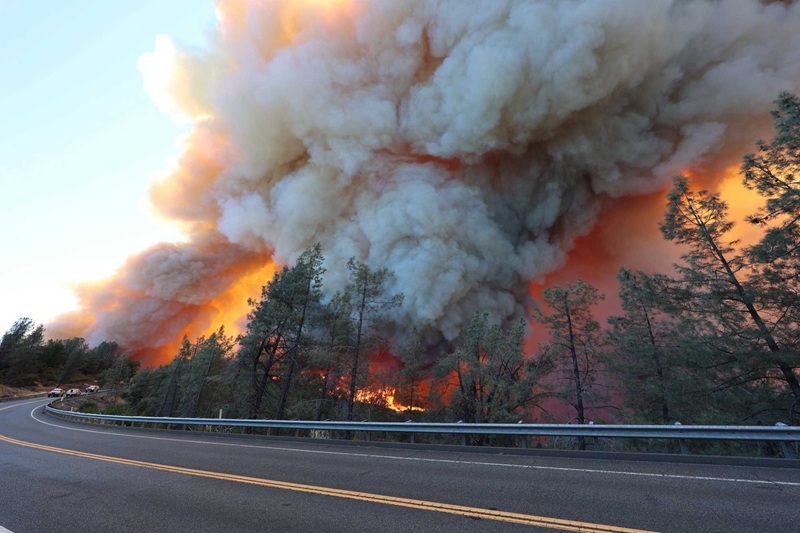
(C): Twitter
In August 2025, the western United States is grappling with one of its most intense heatwaves in recent memory. The National Weather Service (NWS) has issued Extreme Heat Warnings across California, Arizona, Oregon, Washington, Utah, and Nevada, putting over a million residents at serious risk.
Some regions, such as Death Valley, are approaching 120°F, while areas like Portland, Oregon, are breaking long-standing records. With soaring daytime temperatures and minimal overnight relief, this heat event has escalated public health concerns, strained energy systems, and heightened wildfire dangers across the affected states.
Source: Newsroom
States Widely Affected & NWS Warnings
California
- Highs ranging from 97°F to 112°F, depending on region.
- Areas like Fresno, Bakersfield, and Coachella Valley are particularly hard-hit.
Arizona
- Phoenix, Tucson, and southern deserts face 102°F to 112°F.
- Authorities emphasize hydration and rest during peak heat hours.
Nevada
- Las Vegas and Death Valley approach 120°F, with little overnight cooling.
Oregon
- Portland, Willamette Valley, and Columbia Gorge see 97°F to 103°F, with nights in the 60s–70s.
Washington
- Cities like Seattle, Tacoma, and surrounding counties hit mid-to-upper 90s°F, keeping overnight temps unusually high.
Utah
- Southern regions such as Zion and Washington County face highs near 109°F.
Impacts & Warnings from the NWS
- About 1.2 million people are under extreme heat risk, with 18.6 million more across the nation under major heat risk, highlighting the event’s widespread reach.
- In Portland, Oregon, a 102°F reading on August 22 set a new daily record and triggered an emergency advisory. Several participants in the Hood to Coast relay race suffered heat-related symptoms.
- The NWS warns that heat-related illnesses surge during such events, urging residents to make use of air-conditioned spaces, cooling shelters, and stay well hydrated.
Broader Impacts & Ongoing Concerns
- Wildfire risk is elevated, with dry vegetation and high temps creating ideal ignition conditions, especially in drought-affected zones.
- Energy demand has spiked dramatically, putting strain on power grids and raising concerns about potential outages. Many communities have opened cooling centers and local hotlines to support residents.
What’s Next?
Extreme heat warnings remain in place through early next week, with some regions potentially 15–25°F above normal, making this one of the most severe late-summer heatwaves in recent history.
Read ALso: Erik Menendez denied parole; Lyle Menendez hearing happening today