abi sri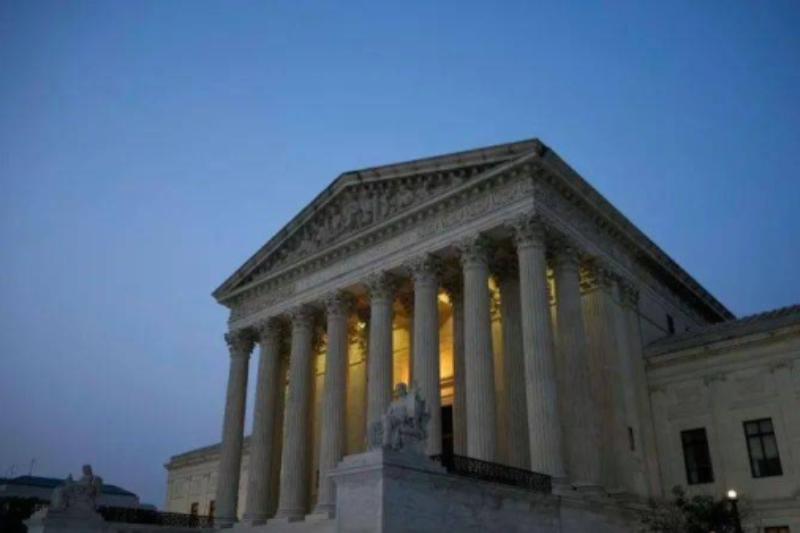
(C) : Saudi Gazette – twitter
On Thursday, the US Supreme Court heard arguments in a high profile case challenging former President Donald Trump’s executive order restricting birthright citizenship. The policy, issued on Trump’s first day in office this January, calls for children born on American soil to be denied U.S. citizenship unless at least one parent is a citizen or lawful permanent resident.
A Legal Battle with Constitutional Stakes
The case, the first of Trump’s second term to be considered by the court, involves the Citizenship Clause of the 14th amendment, which has always been interpreted to mean that almost everyone born in the United States is a citizen. If the order takes effect, there could be more than 150,000 newborns affected each year.
Read Also: US Appeals Court Limits Key Provision of Voting Rights Act
Although the Court is not yet deciding whether the order is unconstitutional, it is taking up emergency petitions to vacate nationwide injunctions issued by federal judges in Maryland, Washington and Massachusetts. Trump’s lawyers have argued that these universal injunctions are judicial overreach and should be limited or vacated.
The conservative justices hinted at a desire to change the reach of such injunctions through other possibilities, including class-action lawsuits, but both liberal and conservative justices did not disagree on the uncertain practical implications of Trump’s order, with Justice Brett Kavanaugh asking, “What do hospitals do with a newborn?”
Justice Sonia Sotomayor warned that the policy could make children stateless, while Justice Ketanji Brown Jackson denounced the government for implementing a policy that promotes unconstitutional action until someone sues it.
The plaintiffs 22 states and immigrant rights groups argue that the policy violates 100 years of precedent from the Wong Kim Ark decision from 1898. The Court is expected to issue a ruling by the end of June and the outcome could redefine citizenship rights and the scope of judicial authority in the U.S.