Divyanshu G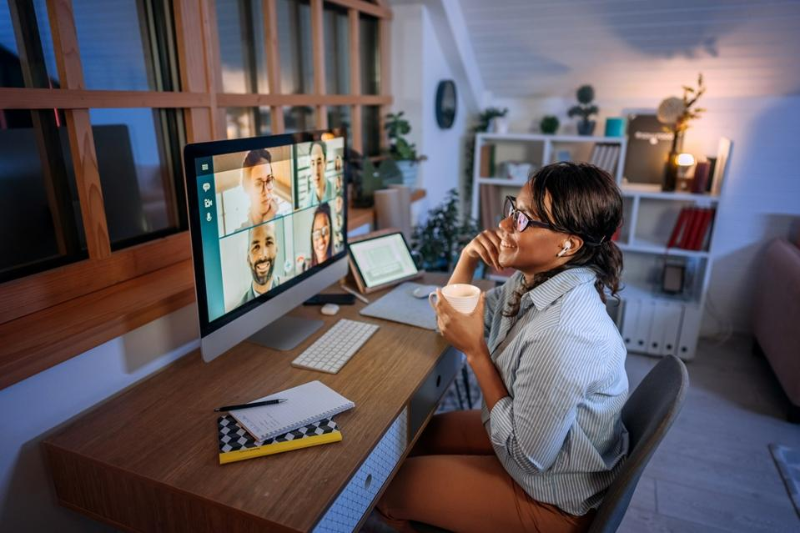
(c) unsplash
The conventional 9 to 5 is no longer viable. As we move deeper into 2026, a radical new work pattern called “microshifting” is taking over the corporate world. This trend is primarily motivated by Gen Z and employed working parents and consists of the disruption of the day-long block of productivity into shorter, focused bursts of productivity scattered across the day instead of a single block. By allowing employees to tailor their schedules around energy peaks and personal responsibilities, microshifting promises to solve the rigid constraints of hybrid models. It is not a matter of working at home; it is a matter of when to work to get the most and personal comfort.
Microshifting Boosts Focus and Output
The main point in this change is that it is biologically unnatural to be focused on a job eight hours a day. By adopting microshifting, professionals can engage in “deep work” during their most cognitive-heavy hours—whether that is 6 AM or 9 PM—and rest during natural slumps. This non-linear methodology decreases the burnout and makes sure that employees are present and productive when online and not merely clock-watching.
A New Era for Work-Life Balance
Beyond productivity, this trend is a massive victory for work-life balance. The caregivers and parents will be able to leave work to go to school or see the doctor without feeling guilty and returns at a later time to resume work. This fluidity enables life and career to exist as opposed to competing. The challenge of such autonomy has become the priority of retention in the contemporary workforce according to the reports of organizations such as Owl Labs.
Official Social Media Link
Source: Owl Labs (Creators of the “State of Hybrid Work” report popularizing this trend)
Link: https://x.com/owllabs