Divyanshu G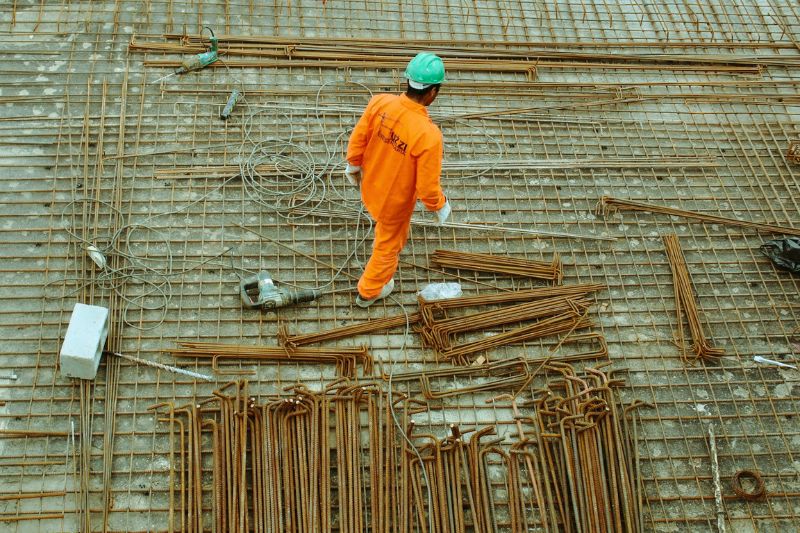
(C): Unsplash
Russia has significantly increased the issuance of work permits to citizens from India and Bangladesh in 2025, driven by acute labor shortages resulting from the ongoing conflict in Ukraine. According to the official statistics provided by the Russian Interior Ministry, the number of permits given to the Indian nationals increased to 56,500, which is very steep in comparison with the prior year, and the number of permits issued to the Bangladeshi workers also increased more than three times to 9,300. This strategic change will serve the purpose of filling the growing workforce shortage especially in the construction, industrial and agricultural industry. The relocation points to the increasing dependence of Moscow on South Asian workforce as the manpower at home diminishes due to military mobilization and emigration.
Surging Demand for Russia Work Permits Among South Asians
The dramatic rise in Russia work permits marks a pivotal change in Moscow’s migration policy. As the traditional labor supply of the Central Asia is getting narrower, Russian employers are moving towards South Asia. According to the statistics provided by the Interior Ministry, it is the largest number of Indian and Bangladeshi immigrants hired since 2017 at least. Other than these two countries, work permits of the Pakistani and other non-cis workers have also increased, indicating the increased diversification plans to keep the Russian economy afloat amidst war.
Read more: Russia Opens Jobs to Kenyans at Ksh115K Salary – Full Details
Addressing Indian Workers in Russia and Sector Needs
The influx of Indian workers in Russia is primarily targeted at sectors hardest hit by the war economy. The subcontinent is a favorite source of skilled and semi-skilled workers who are being recruited in construction sites, heavy industry and logistics hubs. Russian government has simplified certain visa procedures to accommodate this migration realising that local remedies are inadequate. This pattern of recruitment into South Asia is likely to continue picking up pace, as soon as the labor shortage becomes more than 3 million, which will redefine the demographic profile of Russian foreign workers.
Disclaimer: Stay informed on human rights and the real stories behind laws and global decisions. Follow updates on labour rights and everyday workplace realities. Learn about the experiences of migrant workers, and explore thoughtful conversations on work-life balance and fair, humane ways of working.