Divyanshu G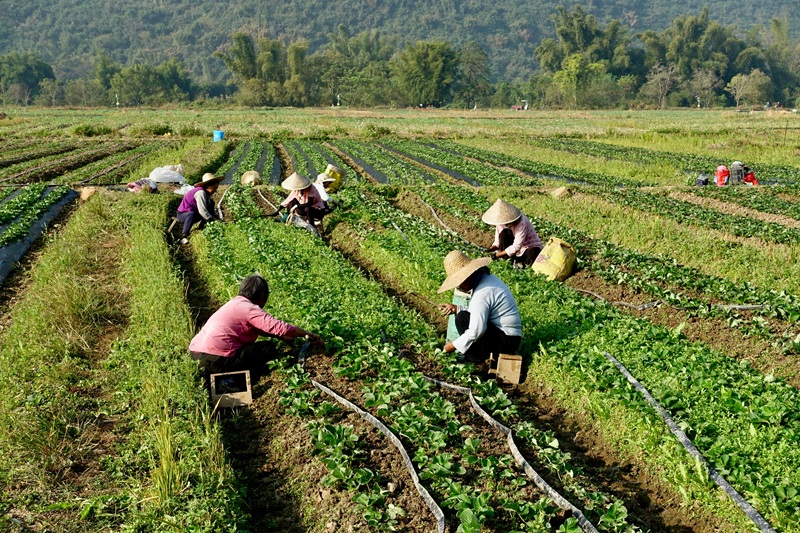
(C): Unsplash
Rural labour in transition is reshaping the social and economic fabric of villages worldwide. Due to the challenges of climate change, land fragmentation, low prices, and mechanisation in traditional agriculture, many rural workers are turning away form the farm finding other ways of earning a living. One of the most prominent substitutes, e-logistics, is providing work opportunities in warehousing, delivery, packaging, and online marketplace digital services. This shift from agriculture to e‑commerce logistics is not just about changing sectors; it is about new skills, working conditions, and migration patterns. How governments, platforms, and communities manage this transition will define whether it leads to inclusive rural development or deeper inequality.
Why rural workers are moving beyond agriculture
Small-scale agriculture is not a sure way of earning steady incomes anymore to many households. Unpredictable weather, volatile commodity prices, and rising input costs push rural labour to look for supplementary or alternative work. Coping mechanisms have always been prevalent in the form of public employment schemes as well as seasonal migration to cities, however, they most commonly remain precarious.
The emergence of e-commerce is increasing at a high pace, creating new opportunities. Platforms need local partners to handle last‑mile delivery, rural collection centres, and basic customer service. This provides access to rural youth including semi formal educated youth who have good local knowledge and movement.
The rise of rural e‑commerce logistics
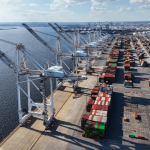
With the online shopping proliferating to smaller towns and villages online shopping logistics is finding its way deep into the rural regions. There are new jobs appearing: delivery riders, warehouse assistants, workers in packaging, micro-entrepreneurs with pick-up and drop-off locations. There are also farmers who sell directly through platforms, which is a combination of agriculture and logistics-related activities.
Nevertheless, most of these jobs are informal or gig-based and have unstable income and weak social coverage. The transition of rural labour in transition brings opportunities for higher cash incomes and digital exposure but also raises concerns about job security, safety, and algorithm‑driven work pressure.
Skills, protection, and the future of rural work
To make the shift from agriculture to e‑commerce logistics sustainable, investment in skills and protections is essential. Digital literacy, rudimentary logistics management, and financial skills will assist rural workers in making the jump to the high-end not simply sticking to the bottom of the ladder.
Governments and platforms can play a decisive role by extending social security to gig workers, enforcing fair contracts, and supporting rural infrastructure such as roads, connectivity, and storage. If managed well, rural labour in transition can diversify incomes, reduce distress migration, and turn e‑commerce logistics into a pillar of inclusive rural economies.