abi sri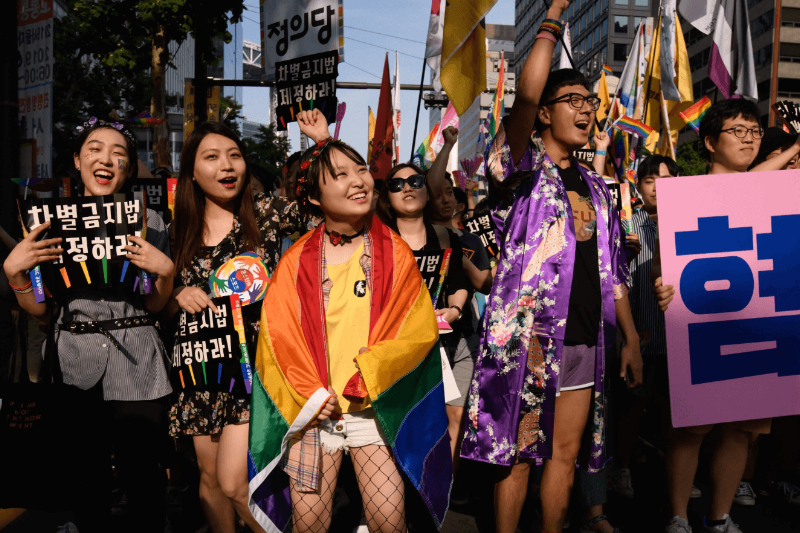
Sexual minorities in South Korea face an arduous battle for acceptance in a society infused in conservative, Confucian virtues. A recent study underscores this struggle, revealing that a majority of South Koreans are loath to live alongside LGBTQ+ individuals. Furthermore, Seoul officials recently blocked a major queer culture festival, highlighting the societal and political challenges faced by the LGBTQ+ community.
Conservative Society and Lagging Perceptions
A 36-year-old lesbian activist in Seoul, Jung Cueri explains the situation, “South Korean society is unique in that while the country has an economy that developed very quickly after the Korean War, the nation’s spiritual values and especially perceptions towards sexuality, have lagged far behind.” Cueri attributes this to the rapid economic development post-war, which, while beneficial, sidelined crucial values such as justice, equality and human rights .
Low Tolerance and Backlash
A survey by the Korean Institute of Public Administration indicates that while South Koreans are becoming more accepting of foreigners, tolerance for LGBTQ+ individuals remains low. More than 52% of Koreans oppose living near someone identifying as LGBTQ+, reflecting deep-seated sexual conservatism and a backlash against gender equality.
Confucianist Legacy
An Associate professor at Kongju National University, Lim Eun-Jung, links these attitudes to South Korea’s Confucianist heritage. “The older generation here finds it hard to understand the concept of sexual minorities due to their traditional, conservative upbringings,” noted Lim.
Related Posts

Blocked Festival and Monopolized Spaces
Organizing committee of the Seoul Queer Culture Festival faced a relapse when their application to use Seoul Plaza was declined, favoring a children’s concert instead. Critics argue this decision hinders social diversity, a claim emphasized by the city’s saturated event calendar.
Political Dynamics and Religious Opposition
Jung believes the festival’s rejection is politically instigated, reflecting South Korea’s rightwards shift and the impact of conservative religious groups. Both major political parties oppose LGBTQ+ rights, catering to these groups for support.
Hope Amidst Challenges
Despite all the obstacles, Jung remains enthusiastic. “Attitudes of younger generations are improving,” she says, underscoring increased awareness and acceptance among younger Koreans. Surveys show a growing support for same-sex marriage and social rights for LGBTQ+ individuals, particularly among the youth.
Regional Comparisons
Across Asia, attitudes toward LGBTQ+ rights vary:
Taiwan
Taiwan is an example in LGBTQ+ rights in Asia, they legalized same-sex marriage in May 2019. This historic decision made Taiwan the first territory in Asia to allow gay marriage, setting a progressive precedent of the region.
Japan
Japan has not yet legalized same-sex marriage or civil unions nationally. However, several local administrations have begun to officially recognize same-sex couples. Japan remains the only G7 member without national-level legal recognition of same-sex unions, but societal attitudes are slowly evolving towards greater acceptance.
Thailand
Thailand made momentous strides by voting to legalize same-sex marriage in June 2023, Thailand became the first nation in Southeast Asia to legalize same-sex marriage after the kingdom’s Senate approved a marriage equality bill on June 18, with supporters calling it a “monumental step forward for LGBTQ+ rights. This move positions Thailand as a progressive force for LGBTQ+ rights in the region, following in Taiwan’s footsteps and promoting inclusivity and equality for sexual minorities.
The journey towards LGBTQ+ acceptance in South Korea is unsettled with challenges rooted in conservatism and political dynamics. However, shifting perceptions among younger generations offer hope for a more inclusive future. By continuing to advocate for equality, activists like Jung believe that South Korean society will eventually embrace fairness and diversity.
South Korea’s LGBTQ+ community continues to struggle for acceptance amidst a conservative backdrop, but evolving public opinions and regional advancements provide a ray of hope for the future.