Divyanshu G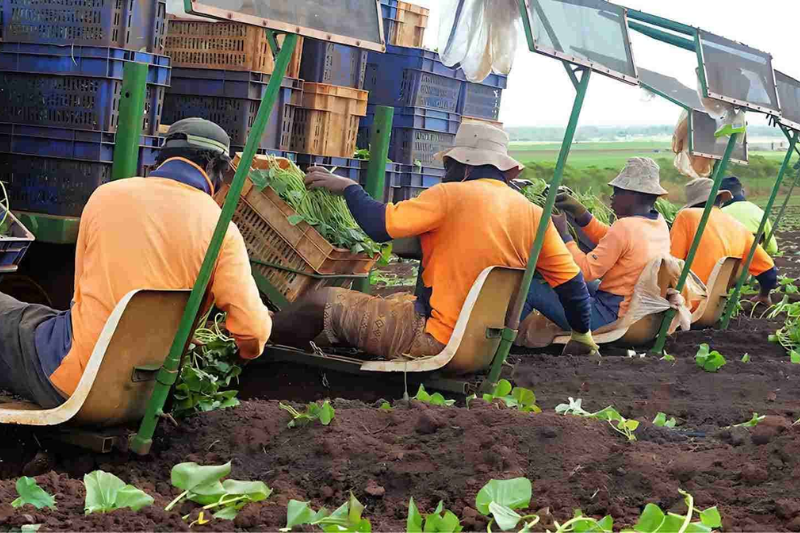
(c) unsplash
Modern slavery risks have been flagged in New South Wales’ labour schemes, particularly the Pacific Australia Labour Mobility (PALM) program. In a report by NSW Anti-Slavery Commissioner Dr. James Cockayne (2024), evidence of forced labour, misleading recruiting and potential sexual servitude of temporary migrant workers have been indicated. Agriculture and meat processing are the sectors with high worker precarity caused by visa restrictions, the absence of a union, and the absence of a citizen route. Having more than 6,000 PALM employees in NSW, the short-term focus disregards human rights, requiring parliamentary inquiry and labour hire licensing such as those in Victoria and Queensland. This reveals weaknesses in employment of migrants in the region.
PALM Scheme Vulnerabilities
The PALM scheme binds workers to employers via visas, limiting mobility and bargaining power. False recruitment lures into bondage and bad management is abused. According to Cockayne, NSW is attracting dodgy labour hire companies because of loose regulations.
Inquiry and Reforms Needed
A NSW parliamentary inquiry probes modern slavery risks for rural migrants, examining visa settings, accommodation, and services. The urgent licensing and cross-government intervention are meant to secure 30 percent of temporary migrants in Australia who are based in this country. Some of the progresses involve training 34,000 frontline workers.
The Anti-Slavery Commissioner has published a report, which in his opinion ought to be exhibited in the House of Commons.<|human|>News of the Anti-Slavery Commissioner: