Divyanshu G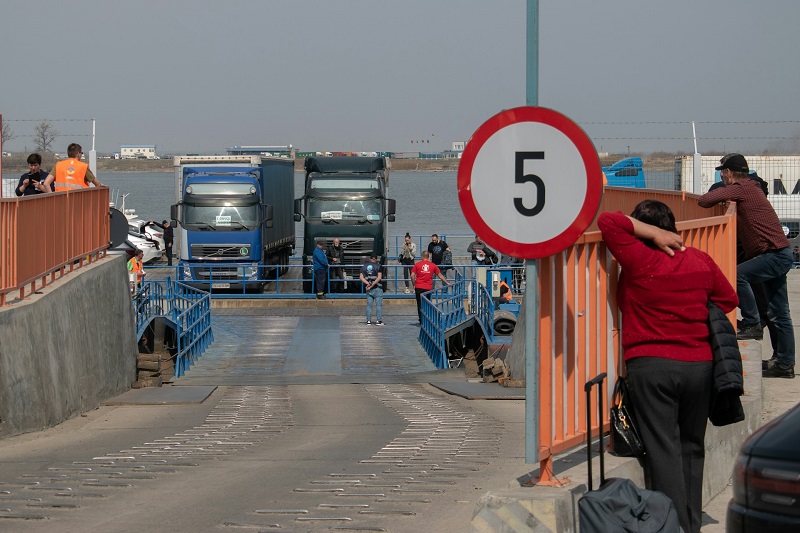
(C): Unsplash
Migrant workers keep key sectors running—from construction and agriculture to caregiving, logistics, and hospitality—yet many remain exposed to unsafe work, wage theft, and weak legal protections. Rights groups and labor economists note that while migrant labor boosts productivity and fills shortages, policies often lag behind reality. The chains of recruitment, temporary visa work that is dependent upon the employer, and restricted unions are all factors that leave workers feeling unwilling to speak up about abuse. As migration increases across regions, advocates argue that protecting migrant workers is not only a moral duty but also an economic necessity that strengthens workplaces, public health, and social stability.
How migrant workers power economies
Across developed and developing countries, migrant labor supports economic growth by filling roles that are hard to staff locally, especially seasonal or physically demanding jobs. The advantages include flexibility among employers and stable supply chains and reduced prices on the part of consumers. Home care, cleaning, food delivery and elder support are some of the key services maintained by migrants in most cities.
Yet the same labor market dependence can hide a contradiction: migrant workers contribute significantly to GDP and tax bases, while their rights and safety remain fragile.
Read more: “Not Just a Number”: Migrant Worker Abuse in 2025
Where protections break down
Advocates highlight recurring risks that affect migrant workers across sectors:
- Recruitment fees and debt that trap workers in exploitative jobs
- Contract substitution, in which the wages promised are less than the real wages.
- Immigration status passport confiscation or threats.
- Unsafe places, long working hours, and poor safety education.
Such circumstances still exist due to the inconsistency in enforcement. The number of inspections might be infrequent, the system of complaints might not support the language, and the workers might be afraid of being retaliated against or deported.
The role of policy and enforcement
The design of most labor migration systems is a significant cause of vulnerability. In the case of a visa that is bound to one employer, it may be impossible to change employers and remain legally in the UAE. The existence of that imbalance may promote underpayment and lack of reporting.
Stronger labor rights can reduce abuse without harming growth. Governments can increase inspections in the workplace, punish repeat offenders, control recruiters, and establish safe avenues on complaints. Protection also focuses on allowing job mobility, written contracts in a worker language, access to healthcare and compensation. Debates over “safe migration” increasingly collide with the reality of securitized borders. Governments around the world justify anti-smuggling policies as necessary to combat organised crime and protect migrants from exploitation.
What better protection could look like
Some of the reforms that are advanced by unions and other rights groups are recommended to include portable benefits, blacklisting of abusive recruiters by the government, and collaboration with the civil society to access workers. Enforcement can be achieved with the help of transparent wage records, digital payslips, and multi-language hotlines. Ultimately, protecting migrant workers means aligning economic reliance with legal and human dignity.
Disclaimer: Stay informed on human rights and the real stories behind laws and global decisions. Follow updates on labour rights and everyday workplace realities. Learn about the experiences of migrant workers, and explore thoughtful conversations on work-life balance and fair, humane ways of working.