Divyanshu G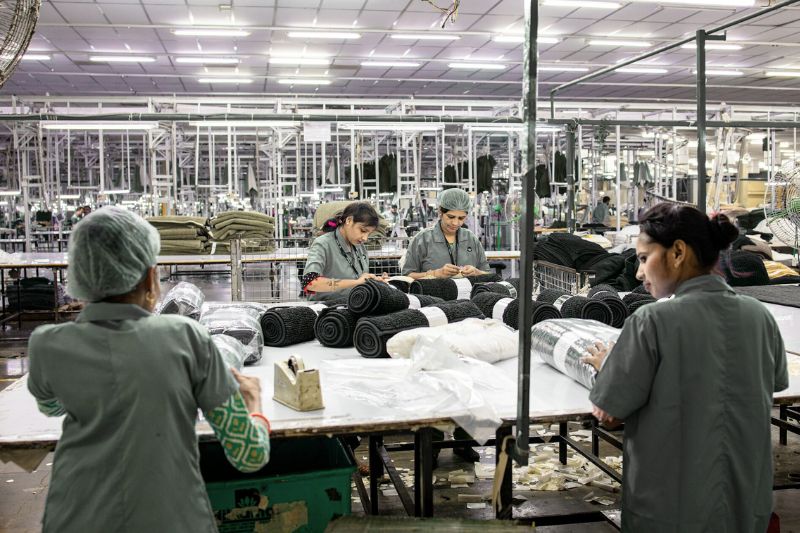
(C): Unsplash
With the entry of the 2026 fiscal cycle in India, the implementation of the Occupational Safety, Health and Working Conditions (OSH) Code has brought about highly essential requirements of businesses. The time of transition is passed; law-abiding is no longer a negotiable factor. Indian employers must now navigate a stricter regulatory environment designed to formalize the workforce. The new requirement is particularly designed to cover the unorganized sector so that the inter-state workers can no longer be invisible to the law system. The inability to adapt to such changes subject companies to large-scale fines, and the policy changes needs to be made as soon as possible to ensure the continuity of operational activities.
Strict Migrant Worker Compliance Protocols
The core of the 2026 mandate focuses on rigorous Migrant Worker Compliance. Employers are now legally obligated to enroll all inter state migrant workers in a central national database. This is not just a payroll management system but an all-encompassing tracking system. Any employee whose monthly earning does not exceed the set limit (usually 18,000) and has moved to work in a company should be registered with a received UAN (Universal Account Number). This compliance is associated with portability of benefits including One Nation One Ration Card and the burden of accuracy of data is imposed on the chief employer rather than the contractor.
Read more: Gig Workers & Inter-State Migrants to Get New Social Security Definitions in 2026 Code
Enforcing Journey Allowances for Staff
Perhaps the most significant financial shift is the strict enforcement of Journey Allowances. Under the new rules, Indian employers must pay a lump-sum annual travel allowance to inter-state migrant workers. This compensation is set to compensate the travel cost to the home of the worker. This is a now a statutory right as opposed to the discretionary bonuses in the past. This is one such line item that will be sought by auditors. It is no longer a choice, it is an obligation that makes workers not lose their social relations due to financial difficulties.
Official Updates: https://x.com/LabourMinistry
Disclaimer: Stay informed on human rights and the real stories behind laws and global decisions. Follow updates on labour rights and everyday workplace realities. Learn about the experiences of migrant workers, and explore thoughtful conversations on work-life balance and fair, humane ways of working.