Shamini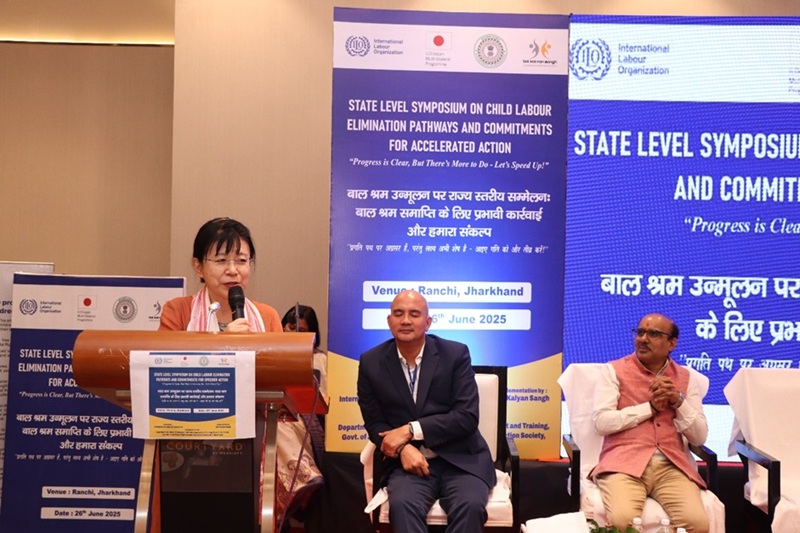
(C): Twitter
Child labour is a worldwide disaster, and agriculture is ranked as the most concerning sector, with 59% of all child labourers aged 5–17 years old located here. This number equates to over 98 million children spread throughout agriculture globally, with many starting to work at ages 5 to 7, often as unpaid family labour. Michiko Miyamoto, Director of the International Labour Organisation (ILO), stated that the informal and dispersed nature of agriculture means regulation and enforcement can take time, particularly in rural areas.
While the total number of child labourers decreased from 160 million in 2020 to 138 million in 2024, Miyamoto warns that this progress is precarious and uneven because the COVID-19 pandemic created great obstacles. Agriculture is one of the most dangerous sectors for children; 59% of those child labourers in hazardous work had farming, fishing, aquaculture, forestry or livestock occupations.
India’s Shifting Landscape
In India, there is significant progress to report, especially in the formal economy, where corporate brands have committed to removing child labour from their supply chains. However, child labour is still present and hidden in the informal economy, particularly in agriculture and family enterprises which are typically in rural and tribal areas. Innovations in public awareness around child labour have improved, but some invisible forms of child labour can remain an issue.
Root Causes and Roadblocks
Miyamoto cites poverty, inadequate access to education and inadequate social protection systems as the primary causes of child labour in India. Gender disparities, entrenched social practices and child marriage also stack the odds against them. There are national and state action plans, but their relevance depends upon effectively updating, budgeting and implementing. A recent revision of the action plan in Jharkhand is a positive start.
Eliminating child labour, especially in agriculture, will take multi-sectoral coordination within a gender-sensitive framework and sustained political will alongside international development commitments.