Divyanshu G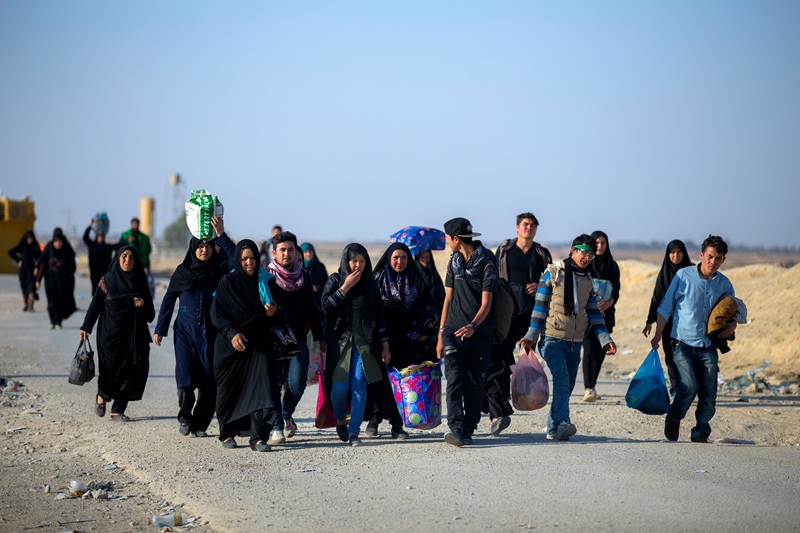
(C): Unsplash
Humanitarian corridors have emerged as a new model for safe migration in response to record displacement, dangerous journeys, and restricted asylum routes. Instead of forcing refugees and vulnerable migrants onto smugglers’ boats or clandestine routes, humanitarian corridors offer organised, legal pathways to safety. They are usually established as a result of collaborations between governments, faith based organizations and NGOs; they entail pre-screening in countries of origin or transit, safe travel and organized reception in host countries. While still relatively small in scale, this new model for safe migration challenges the idea that the only alternative to irregular movement is closed borders. If expanded and properly resourced, humanitarian corridors could become an important pillar of global protection systems.
How humanitarian corridors work
Humanitarian corridors identify people at high risk—such as refugees, survivors of violence, or those with medical needs—and arrange safe, legal travel to a host country. The civil society organisations tend to take the center stage in the choice of beneficiaries, flight organisation, and liaising with the authorities.
After the arrivals land, the community sponsors assist in housing, language training, and integrating assistance. This model for safe migration seeks to reduce reliance on detention centres and emergency responses by planning protection in advance rather than reacting to crises at borders.
Benefits and limits of this new model for safe migration
Humanitarian corridors demonstrate that safe migration can be managed in a way that protects both people on the move and public confidence. They minimize in-sea fatalities, undermine smuggling rings, and demonstrate to voters that the orderly and routine can occur. Community sponsorship also creates local support networks that ease integration pressures.
Nevertheless, the existing programmes do not cover a significant portion of the people who are in need. Humanitarian corridors risk becoming boutique projects if states use them to showcase compassion while maintaining harsh deterrence policies for everyone else. Scaling up requires political will, resources, and coordination with broader asylum and resettlement systems.
What needs to change to unlock their potential
For humanitarian corridors to become a truly transformative model for safe migration, several shifts are needed. More countries must adopt legal frameworks that allow for humanitarian visas, private or community sponsorship, and flexible admission criteria.
At the same time, corridors should complement—not replace—robust asylum procedures and wider resettlement commitments. When embedded in a broader protection strategy, humanitarian corridors can move from pilot projects to a core tool in safeguarding people forced to flee.